_edited.png)

How Does Hair Loss Stop?
Updated: Sep 27
Hair loss can occur due to the body not getting the vitamins and minerals it needs, as well as genetic factors, stress, and iron deficiency. Fortunately, treatments are available for these issues. Taking the necessary precautions early on is very important. How to stop hair loss is a topic many people wonder about. In this article, we'll give you detailed information.
Vitamins Needed for Hair Loss
1. Vitamin E is extremely important for hair and skin. Its main role is to help form new hair cells.
2. Biotin is also known as vitamin H or B7. It's a vitamin that adds volume to hair and strengthens it.
3. Vitamin B9 is one of the key vitamins for having moisturized, shiny hair.
4. Vitamin A supports the scalp's sebum production and helps give hair a shiny appearance.
5. Vitamin B12's main role is to carry oxygen to cells. If B12 is deficient, the necessary oxygen isn't delivered to the hair, which can result in hair loss and premature graying.
6. A deficiency in vitamin C can cause hair to become brittle and weak.
7. Vitamin B3 plays an important role in the body's energy production. It helps hair grow shiny and healthy.

What Should We Do If Hair Loss Is Genetic
Even if hair loss is genetic, precautions should be taken early, around ages 20-22. Hair loss can be prevented by getting the necessary vitamins. Hair doesn't fall out all at once; the roots weaken first and turn into what we call fine, sparse-looking hair. At that point, vitamins alone aren't enough, and hair transplantation using today's technology may be needed. Positive results are possible.
When Does Hair Loss Start
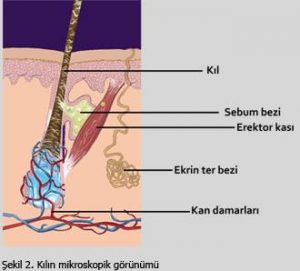
Hair can fall out at any age, so we should always take care of our hair and pay attention to it. Barring special health issues or problems like burns at the hair roots from an accident, it typically starts to show itself from one's 20s onward.
How Does Hair Loss Stop? Treatment Options
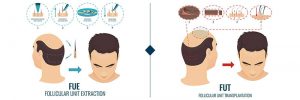
Of course, not everyone's situation is the same — the steps mentioned above are for early intervention. If hair loss has progressed significantly and a faster solution is being sought, hair transplantation can be performed. In the older method known as FUT, hair follicles were harvested by cutting a strip of scalp tissue from the nape area, dividing it into small pieces, and transplanting it into the area in need, and the results were often not very positive. Today, however, with advances in technology, the method known as FUE is used instead. In the FUE method, hair follicles are extracted one by one from the scalp in the nape area using a motorized device, and transplanted into the balding area using a micro-grafting technique. This method produces much better results.
Does Hair Transplantation Require Anesthesia?
Hair transplantation is performed using local anesthesia, numbing the area where the procedure will take place. You won't feel any pain during the procedure. After the anesthesia wears off, the medications used allow you to get through the process comfortably and easily.
How Many Hours Does Hair Transplantation Take?
Hair transplantation time can vary depending on the area being treated. On average, it can take 5-6 hours. There's no need to stay in the hospital; you can be discharged the same day.
Does Transplanted Hair Fall Out Again?
The transplanted hair falls out again after about 3 months, and then fully regrows within about 6 months. During this process, it's very important to stay under your doctor's follow-up care. It's also very important to make sure your hair is getting the necessary vitamins and that you maintain a healthy diet.

This brings us to the end of our article on how to stop hair loss; we hope it has been useful for you. For anything else you're curious about or for more information, you can reach us at (+905320563693).
References;


Comments