_edited.png)

What Makes the Best Plastic Surgeon? Training, Qualifications and Character
Updated: 3 days ago
Key takeaways
"Plastic" comes from the Latin plastica, meaning to shape; plastic, reconstructive and aesthetic surgery is the specialty of shaping and rebuilding the body.
In Turkey the title requires six years of medical school, five years of specialist training, a thesis, board examinations and compulsory service, and only about 30–32 residency positions are available each year.
The best surgeons combine certified training with artistry, scientific work, exceptional manual skill and honesty with patients.
Patients should verify board certification, look at real results and judge the surgeon's communication before deciding.
What "plastic surgeon" really means
The word plastic derives from the Latin plastica, "to shape". Plastic surgery is therefore the surgery of shaping. Its sister discipline, reconstructive surgery, rebuilds what disease, trauma or birth has taken away, and aesthetic surgery pursues excellence of form and proportion. The full title is Plastic, Reconstructive and Aesthetic Surgeon, and it can only be used by a physician who has completed the entire training pathway and passed the examinations that go with it. When people say "plastic surgeon" or "aesthetic surgeon", they are describing someone who has earned this title after many years of study, not simply a doctor who performs cosmetic procedures.
How hard is it to become a plastic surgeon in Turkey?
Very. After six years of medical school, a candidate must score at the top of the national specialty examination to obtain one of the very few residency positions in plastic surgery: only about 30–32 positions open each year across the whole country. For comparison, roughly 800–900 positions open for general surgery and 700–800 for ear, nose and throat surgery. Plastic surgery is one of the most competitive choices in medicine, in Turkey as in the rest of the world.
Residency then lasts five years, during which the trainee must also write and defend a thesis and pass the specialty examination. Two years of compulsory national service follow. Only then does the physician hold a plastic surgery diploma; to be recognised professionally, the examinations of the Turkish Society of Plastic, Reconstructive and Aesthetic Surgeons and the European Board of Plastic, Reconstructive and Aesthetic Surgery (EBOPRAS) must also be passed. From the first day of medical school to full board certification takes well over a decade.
Qualities the best plastic surgeons share
Prof. Dr. Suleyman Tas wrote the original version of this article for young colleagues who dream of becoming plastic surgeons and struggle to decide on a specialty. His advice to them is also a useful checklist for patients:
Fluent English. Plastic surgery is an international discipline; the literature, congresses and training are in English. Work on it during residency if it is a weakness.
An interest in art. Art inspires; inspiration becomes aesthetic sense; aesthetic sense ends in the patient's smile. A surgeon who studies form and proportion in art sees a face differently.
Scientific work. The best surgeons publish, read the literature constantly and know how to evaluate evidence. Knowledge kept in memory is what guides a hand during a difficult operation.
Exceptional manual skill. Fingertips must feel the slightest pressure and difference in tissue. Prof. Dr. Tas gave up hobbies such as playing the guitar because calluses dull that sensation.
Patience, decisiveness and a hunger to learn. Always focused on doing the best, always innovating and open to innovation.
To these he adds the qualities patients value most: honesty about what can and cannot be achieved, listening to what the patient actually wants, and continuity of care after surgery.
How patients can identify the best plastic surgeon
Check certification. Membership of the national society and the European Board (EBOPRAS) or equivalent is the baseline. Ask.
Look at real, consistent results. Study before-and-after photographs of many patients with a problem like yours, ideally at one year, and compare noses rather than lighting.
Ask about volume and focus. A surgeon who performs a procedure hundreds of times a year has seen every variation.
Value teaching and publications. Surgeons who train other surgeons and publish in peer-reviewed journals are measured by their peers.
Judge the consultation. Were you examined properly? Were risks discussed? Did the surgeon talk you out of something unnecessary? Honesty in the consultation predicts honesty afterwards.
Read reviews carefully. Look for detail and consistency across independent platforms rather than a single perfect score.
About Prof. Dr. Suleyman Tas
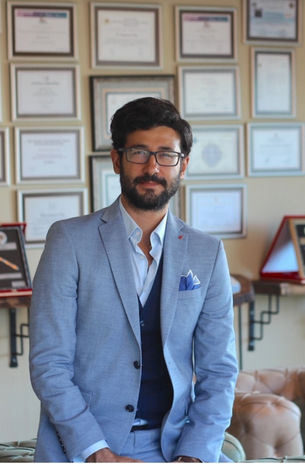
Prof. Dr. Suleyman Tas is a board-certified plastic, reconstructive and aesthetic surgeon with more than 20 years of experience, a professor of plastic surgery, author of the textbook Rhinoplasty in Practice, and founder of Prof. Dr. Suleyman Tas Clinic in Istanbul. He performs thousands of rhinoplasties and facial procedures and trains surgeons from around the world through his annual plastic surgery course. His results can be viewed in the before and after gallery.
A closing word to young surgeons
Many young colleagues write asking to visit the clinic and find inspiration. That is welcome, and this article is a starting point for those who are not afraid and want more. Finally: do not merely chase your dreams; follow the things you cannot even imagine.
Frequently asked questions
How many years does it take to become a plastic surgeon?
In Turkey, at least eleven years of medical school and residency, plus a thesis, board examinations and compulsory service, typically 13 years or more.
Is a cosmetic surgeon the same as a plastic surgeon?
No. "Cosmetic surgeon" is not a protected title in many countries; a plastic surgeon has completed accredited specialist training and board examinations.
What is EBOPRAS?
The European Board of Plastic, Reconstructive and Aesthetic Surgery, whose examination certifies plastic surgeons to a common European standard.
How do I verify a surgeon's credentials?
Ask the surgeon directly and check the membership lists of the national society and the European Board.
Does the best surgeon guarantee a perfect result?
No surgeon can guarantee an outcome, but training, experience and honesty greatly improve the odds and reduce complications.
Next step
Learn more about Prof. Dr. Suleyman Tas, explore the rhinoplasty page, or contact Prof. Dr. Suleyman Tas Clinic to arrange a consultation.
About the author
Prof. Dr. Suleyman Tas is a European Board-certified plastic, reconstructive and aesthetic surgeon based in Istanbul with over 20 years of experience, author of Rhinoplasty in Practice (CRC Press) and founder of the Closed Atraumatic Rhinoplasty Course. Read verified patient reviews or book a consultation.
This article is for general information and does not replace an individual medical consultation.


Comments