_edited.png)

Gynecomastia (Male Breast Enlargement): Causes, Stages and Surgical Treatment Options
Key takeaways
Gynecomastia is the enlargement of breast tissue in men; it can be glandular, fatty or mixed.
It is common in newborns, at puberty and after 60–65, when the balance between testosterone and oestrogen shifts; medications, weight gain and medical conditions can also cause it.
A hormonal evaluation (often with an endocrinologist) comes first; if enlargement persists after the cause is treated, surgery offers a permanent solution.
Stage 1–2 usually responds to liposuction through tiny incisions; advanced stages with sagging skin need endoscopic or open techniques. Surgery takes about 45–60 minutes, and most men return to work within a week.
What is gynecomastia?
Gynecomastia means enlargement of the male breast. It is different from pseudogynecomastia, where the chest looks enlarged only because of fat. True gynecomastia contains glandular tissue, which feels firmer and often sits directly behind the nipple.
Why does it happen?
Newborns: maternal oestrogen causes temporary breast development that resolves on its own.
Puberty: hormonal fluctuations cause breast tissue in many boys; most cases regress within 1–2 years.
Older age (60+): falling testosterone and relatively higher oestrogen.
Medications and substances: anabolic steroids, some prostate, heart, stomach and psychiatric medicines, alcohol and cannabis.
Weight gain: fat tissue converts testosterone to oestrogen.
Medical conditions: thyroid, liver or kidney disease, and rare testicular or adrenal tumours.
Because of these causes, men should be evaluated, often by an endocrinologist, before surgery. If a hormone imbalance is found, treatment may shrink the breast tissue. If tissue persists despite treatment, surgery is considered.
Types and stages
By tissue:
Glandular (florid): dense breast tissue
Mixed (intermediate): fat and glandular tissue together
Fibrous: a firm mass present for more than a year, which does not respond to medication
By severity:
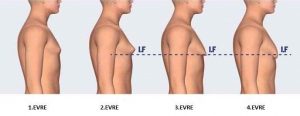
Stage 1: mild enlargement
Stage 2: moderate enlargement
Stage 3: moderate enlargement with excess skin
Stage 4: severe enlargement with sagging skin
Surgical planning is based mainly on the size and stage rather than tissue type alone.
Surgical options
Closed method (liposuction)
For Stage 1–2 without skin excess. Fat and softer tissue are removed through tiny incisions; there are no visible scars. This is the most commonly used method. Firm glandular tissue behind the nipple may also be removed through a small incision at the edge of the areola.
Endoscopic (semi-closed) method
For enlargement without severe skin sagging. Fat is removed with laser- or ultrasound-assisted (VASER) liposuction, glandular tissue is removed endoscopically, and energy devices help the skin tighten. It is not sufficient when the skin sags significantly.
Open method
For Stage 4 and advanced cases. A crescent-shaped incision at the lower areola allows removal of the fibrous tissue, and excess skin is tightened. If more skin must be removed, breast-reduction patterns such as an inverted-T may be required.
Recovery
Surgery time: about 45–60 minutes depending on the technique.
Anaesthesia and stay: under general anaesthesia one night in hospital is recommended; under local anaesthesia there is no overnight stay.
Compression vest: applied in surgery and worn for about 4–6 weeks.
Follow-up: at one week.
Return to work and social life: after about one week of good rest; heavy exercise after 4–6 weeks.
See also case study 23: gynecomastia surgery and our body contouring page.
Frequently asked questions
Will gynecomastia go away on its own?
Pubertal gynecomastia often does; long-standing adult gynecomastia usually does not.
Can exercise get rid of gynecomastia?
Exercise reduces fat but not glandular tissue.
Can gynecomastia return after surgery?
Removed gland does not regrow, but steroids, weight gain or certain medicines can cause new enlargement.
Are there scars?
Liposuction leaves tiny marks; gland removal leaves a discreet scar at the areola edge.
Next step
Contact Prof. Dr. Suleyman Tas Clinic for a gynecomastia assessment with Prof. Dr. Suleyman Tas.
About the author
Prof. Dr. Suleyman Tas is a European Board-certified plastic, reconstructive and aesthetic surgeon based in Istanbul with over 20 years of experience, author of Rhinoplasty in Practice (CRC Press) and founder of the Closed Atraumatic Rhinoplasty Course. Read verified patient reviews or book a consultation.
This article is for general information and does not replace an individual medical consultation.



Comments