_edited.png)

Hair Loss Treatment: Causes, the Role of Vitamins, Medical Therapy, PRP and Hair Transplant
Key takeaways
Hair loss can result from genetics (androgenetic alopecia), stress, iron and vitamin deficiencies, thyroid problems, hormonal changes, illness, medications and hair styling damage.
Vitamins help mainly when you are deficient. Iron, vitamin D, B12, folate, zinc and biotin deficiencies can cause shedding; supplements without a deficiency rarely stop hair loss.
Genetic hair loss is progressive and is best addressed early with proven medical treatments; vitamins alone cannot prevent it.
When follicles have been lost, hair transplant restores density; PRP and medication help protect the remaining hair.

Why does hair fall out?
Losing 50–100 hairs a day is normal. Excessive shedding or gradual thinning has different causes:
Androgenetic alopecia: inherited sensitivity of follicles to hormones, causing receding hairlines and crown thinning in men and diffuse thinning in women.
Telogen effluvium: diffuse shedding 2–3 months after stress, illness, surgery, childbirth or crash dieting.
Nutritional deficiencies: iron, vitamin D, B12, folate, zinc, protein.
Thyroid disorders and hormonal changes such as polycystic ovary syndrome or menopause.
Alopecia areata: autoimmune patchy hair loss.
Traction and chemical damage from tight hairstyles, heat and harsh treatments.
A doctor's evaluation, often with blood tests, identifies the cause.
Which vitamins and minerals matter?
Iron (ferritin): low levels are a common cause of shedding, especially in women.
Vitamin D: deficiency is associated with hair loss.
Vitamin B12 and folate (B9): support cell division in follicles; deficiency can cause shedding.
Biotin (B7): true deficiency is rare; supplements help mainly when deficient and can interfere with some blood tests.
Zinc: supports hair growth and repair.
Vitamins A, C, E and niacin (B3): contribute to scalp health, but excess vitamin A can actually cause hair loss.
Protein: hair is made of keratin; inadequate protein intake weakens hair.
Correcting a proven deficiency often stops shedding within a few months; unnecessary high-dose supplements should be avoided.
If hair loss is genetic
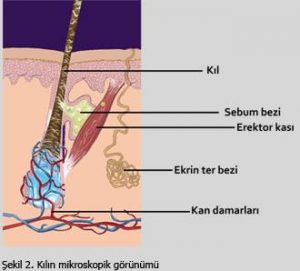
Genetic hair loss should be addressed early, ideally in the early twenties, when thinning begins. Hair does not fall out all at once: follicles gradually miniaturise, producing thinner, weaker hairs until they stop. Treatments that slow or partly reverse this include:
Topical or oral minoxidil
Finasteride or dutasteride for men, under medical supervision
Anti-androgen therapy for some women
Low-level laser therapy
These require consistent, long-term use.

PRP for hair
Platelet-rich plasma (PRP) is prepared from your own blood and injected into the scalp to support follicles. It can improve density and slow shedding in selected patients, usually as a series of sessions followed by maintenance.
When is hair transplant the answer?
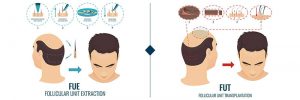
Once follicles are permanently lost and areas are visibly thin or bald, hair transplant restores hair using follicles from the genetically resistant donor area. Modern FUE techniques give natural results. See hair transplant in Turkey, things to know before hair transplant and case study 12.
Frequently asked questions
Can vitamins stop genetic hair loss?
No. They help only if you are deficient; genetic hair loss needs medical treatment or transplantation.
When does hair loss usually start?
At any age; genetic thinning often begins in the twenties or thirties.
Is shedding after stress permanent?
Telogen effluvium usually recovers within 6–12 months once the trigger resolves.
When should I see a doctor about hair loss?
When shedding continues for more than three months, when the hairline or crown is visibly thinning, or when the loss is patchy or sudden. Early treatment protects the hair you still have.
Do treatments work without surgery?
Medical therapy, PRP and mesotherapy can slow loss and improve density in the early stages. Once an area is completely bald, only transplantation restores hair to it.
Next step
Contact Prof. Dr. Suleyman Tas Clinic for a hair and scalp assessment.
About the author
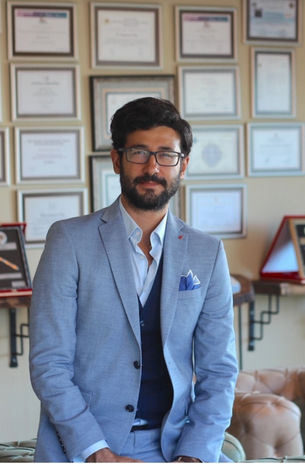
Prof. Dr. Suleyman Tas is a European Board-certified plastic, reconstructive and aesthetic surgeon based in Istanbul with over 20 years of experience, author of Rhinoplasty in Practice (CRC Press) and founder of the Closed Atraumatic Rhinoplasty Course. Read verified patient reviews or book a consultation.
This article is for general information and does not replace an individual medical consultation.


Comments