_edited.png)

What Are Breast Deformities?
Updated: Sep 27
Many surgical interventions exist within breast aesthetic surgery. So what are the breast deformities that require these surgical interventions? In this article, we will present breast deformities, shape irregularities, and anomalies to you. We hope you find it helpful, and wish you enjoyable reading.
Small Breast Deformity
In some women, breast tissue is either less than in other women or absent entirely. This results in a small breast deformity. The main causes of small breast deformity are:
Genetic factors,
Hormonal condition,
Excessive thinness,
The way the pituitary gland functions,
Thyroid diseases,
Stress and/or depression,

Small breasts are treated with breast augmentation surgery using silicone implants, resolving this issue.
Large Breast Deformity
When breast size exceeds what it should be, this deformity occurs. It brings aesthetic concerns along with it. Beyond aesthetic issues, it also causes health problems. People with large breasts often experience back, neck, and shoulder pain. If left untreated, it can invite many conditions, even leading to a herniated disc. The main causes of large breast deformity are:
Genetic factors
Pregnancy and breastfeeding period
Significant weight gain and/or weight loss
Hormonal condition
Breast enlargement occurring after the use of certain medications

People with large breasts are typically planned for breast reduction surgery. This eliminates the deformity.
Sagging Breast Deformity
Breast sagging, as the name suggests, is when the breast droops and sags downward. It is not aesthetically pleasing and troubles those who have this deformity. The main causes of sagging breast deformity are:
Genetic factors
Large breast structure
Frequent weight gain and loss
Poor posture
Wearing the wrong bra
Breastfeeding
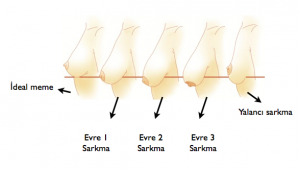
The solution for a sagging breast structure is breast lift surgery. In some cases, a breast lift alone is not enough. To achieve maximum benefit, breast lift and breast implant surgery should be performed together for a breast structure that has lost volume and become saggy.
Gynecomastia
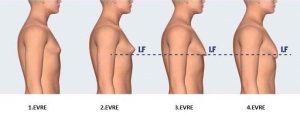
Gynecomastia refers to breast enlargement in men. It is often seen in newborns because of excess estrogen hormone secreted by the mother passing to the baby through breast milk. This resolves over time. When it occurs during puberty or adulthood, the cause can again be hormonal. Sometimes products such as protein or carbohydrate powders can also cause it. The first step in treatment is to control hormonal conditions and wait for improvement. In advanced cases of gynecomastia, surgical correction is also possible.
Breast Asymmetry
Breast asymmetry is a breast deformity seen mostly in women. While some asymmetries are tolerable in size, others require surgical intervention. Large-scale asymmetries not only affect appearance but can also cause skeletal system disorders and back pain due to the asymmetric load placed on the spine. As a solution, placing an implant in the smaller breast can eliminate the asymmetry.

Tuberous Breast
Tuberous breast is a breast anomaly similar to breast asymmetry. It gets its name from the breast resembling a tuberous, or lumpy, shape. Due to tightness or a deficiency in the breast skin, the breast structure, which also has a narrow base, appears as if it passes through a narrow passage toward the areola.
Poland Syndrome
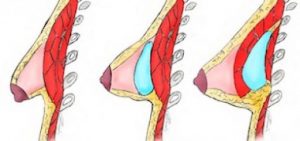
Poland syndrome refers to the combination of a congenital absence of chest muscles along with chest and upper extremity deformities on the same side. It is present from birth. The solution can be achieved through the placement of a silicone implant.


Comments