_edited.png)

Breast Augmentation Today: Implants, Fat Transfer, Safety and What Modern Surgery Can Achieve
Key takeaways
Breast augmentation is one of the three most frequently performed aesthetic operations in Turkey and worldwide, with very high patient satisfaction.
Implants remain the most common method; modern cohesive silicone gel implants give natural, predictable results.
Fat transfer uses your own fat for a modest, natural increase; composite augmentation combines both.
Implants are safe, well-studied devices, but they are not lifetime devices: rare risks such as rupture, capsular contracture and breast implant-associated lymphoma (BIA-ALCL, mainly with textured implants) must be understood, and imaging follow-up is recommended.
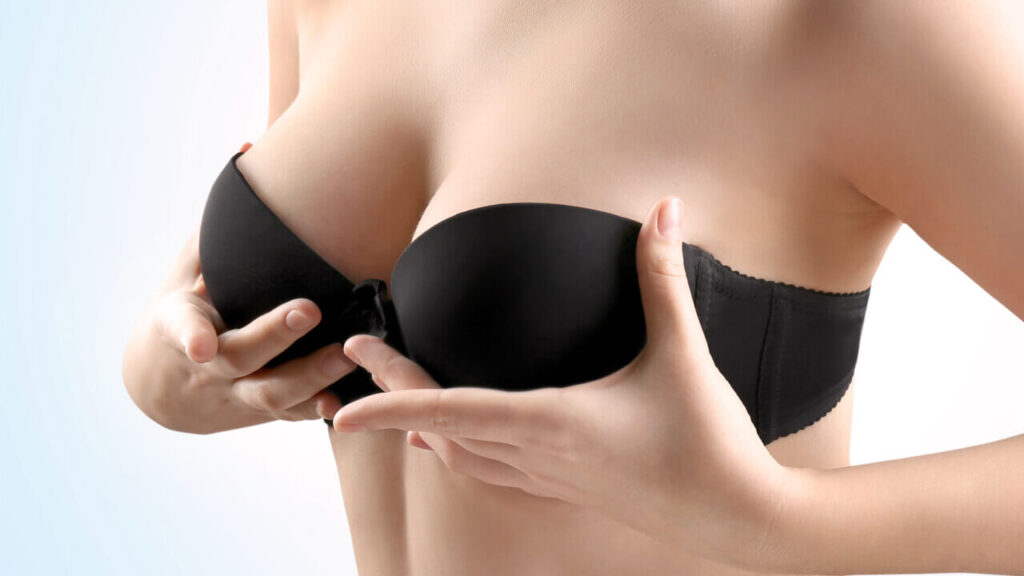
Why augmentation matters to so many women
For women who have always had small breasts, or who lost volume after pregnancy or weight loss, augmentation can transform how they feel in clothes, in swimwear and in their bodies. Few operations produce such immediate and visible satisfaction, which is why so much research and investment has gone into making breast surgery safer and more natural.
Implants: how far they have come
Over the last 50 years, implant technology has improved enormously:
Cohesive gel silicone implants hold their shape and are much less likely to leak gel if the shell is damaged.
Round and anatomical (teardrop) shapes in many projections allow tailoring to each body.
Smooth and microtextured surfaces are chosen with current safety evidence in mind.
Implants do not increase the risk of breast cancer, and women with implants can have mammograms (with special views) and ultrasound, and most can breastfeed.
Safety facts you should know
Rupture: modern implants are durable, but shells can wear or rupture over time, often without symptoms ("silent rupture"). The US FDA recommends ultrasound or MRI screening for silicone implants starting 5–6 years after surgery and then every 2–3 years.
Capsular contracture: scar tissue around the implant can tighten and harden, sometimes requiring surgery.
BIA-ALCL: a rare lymphoma associated mainly with textured implants; it usually presents as late swelling and is highly treatable when found early.
Breast implant illness: some women report systemic symptoms; research is ongoing, and removal is considered when appropriate.
Not lifetime devices: many women keep their implants for many years, but some will need exchange or removal at some point.
Honest discussion of these points is part of every consultation at Prof. Dr. Suleyman Tas Clinic.
Fat transfer
Fat is harvested by liposuction, purified and injected into the breast. A portion of transferred fat is reabsorbed; the amount that survives varies between patients and techniques, and what remains after about three months is generally long-lasting. It suits women who want a modest increase and body contouring at the same time. See composite breast augmentation.
Incisions and placement
Implants can be inserted through the breast fold, around the areola or through the armpit; the fold incision is the most common. They are positioned over the muscle, under the muscle or in a dual plane, according to tissue thickness. See breast implant incision options.
Choosing size and shape
Measurements of chest width, breast base, skin elasticity and your goals guide implant selection; trying sizers helps visualise the result. See breast implant selection.
Recovery
About 1–1.5 hours of surgery, one night in hospital, back to desk work in 4–5 days, exercise at 4–6 weeks, final shape at about 3 months. See how long does breast surgery take.
Frequently asked questions
Do implants need to be replaced every 10 years?
There is no fixed expiry, but implants are not permanent devices; regular checks determine if exchange is needed.
Can I breastfeed with implants?
Most women can, especially with fold incisions and submuscular placement.
Does augmentation affect cancer screening?
Screening remains possible; tell the radiographer about your implants so additional views are taken.
Next step
See breast surgery results or contact Prof. Dr. Suleyman Tas Clinic for a consultation with Prof. Dr. Suleyman Tas.
About the author
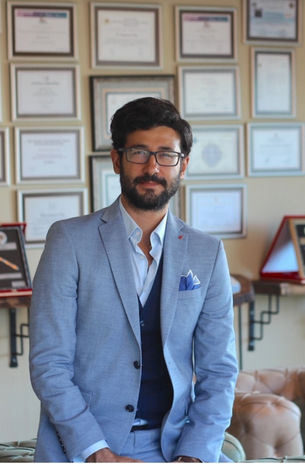
Prof. Dr. Suleyman Tas is a European Board-certified plastic, reconstructive and aesthetic surgeon based in Istanbul with over 20 years of experience, author of Rhinoplasty in Practice (CRC Press) and founder of the Closed Atraumatic Rhinoplasty Course. Read verified patient reviews or book a consultation.
This article is for general information and does not replace an individual medical consultation.


Comments