_edited.png)

Acne and Acne Scar Treatment: Causes, Medical Therapies and Scar Revision Options
Key takeaways
Acne develops when pores are blocked by excess oil (sebum), dead skin cells and residue, and bacteria cause inflammation.
Mild acne responds to creams and gels; moderate to severe acne may need oral antibiotics (usually for about 3 months), hormonal treatment or isotretinoin prescribed by a dermatologist.
Larger, inflamed spots are the ones most likely to leave scars; early treatment prevents them.
Acne scars are treated with gold needle radiofrequency microneedling, fractional lasers, chemical peels, subcision and fillers, often in combination.

What is acne?
Acne (acne vulgaris) is inflammation of the oil glands in the middle layer of the skin. Increased oil production, combined with make-up and dirt residue, clogs pores and forms comedones (blackheads and whiteheads). Bacteria multiply inside, causing redness and swelling, and deeper inflamed lesions form larger spots and cysts. Acne appears most often on the face, back, chest, shoulders and arms and is most common during adolescence, although adult acne is frequent too.

Why does acne form?
Excess sebum production, often hormonal
Dead skin cells and residue blocking hair follicles
Bacteria (Cutibacterium acnes) and inflammation
Hormonal changes: puberty, menstrual cycle, polycystic ovary syndrome
Heavy, pore-clogging cosmetics
Some medications, stress and, in some people, high-glycaemic diets
Treatment by severity
Mild acne
Topical treatments: benzoyl peroxide, retinoids, azelaic acid, salicylic acid and topical antibiotics, with a gentle routine and non-comedogenic products.
Moderate to severe acne
Oral antibiotics, typically for about 3 months, combined with topical treatment
Hormonal therapy for women with hormone-related acne
Isotretinoin for severe or scarring acne, under dermatologist supervision
Procedures such as professional extractions, chemical peels and energy-based treatments
Gold needle (RF microneedling)
Gold needle treatment delivers radiofrequency energy through fine insulated needles to the deeper skin. It can reduce active inflamed acne by targeting oil glands and stimulates collagen to improve scars. See the gold needle guide.
Types of acne scars
Ice-pick scars: narrow, deep
Boxcar scars: wide with sharp edges
Rolling scars: wave-like depressions caused by tethering bands
Hypertrophic or keloid scars: raised
Post-inflammatory pigmentation: flat brown or red marks, which often fade with time and treatment
Acne scar treatments
Gold needle RF microneedling: collagen remodelling for boxcar and rolling scars
Fractional laser (such as CO2): resurfacing for textured scars
Chemical peels: pigmentation and superficial scars; TCA CROSS for ice-pick scars
Subcision: releases the bands that pull rolling scars down
Fillers or fat grafting: lift depressed scars
Pigment treatments and strict sun protection for dark marks
Several sessions and combined methods usually give the best results. Treatment should start after active acne is controlled.
Frequently asked questions
Can acne scars be removed completely?
Most can be improved significantly; complete removal is not always possible.
Should I squeeze spots?
No. Squeezing increases inflammation and the risk of scars.
How many sessions are needed for acne scars?
Typically 3–6 sessions spaced 4–6 weeks apart, depending on scar type.
How many sessions do acne scars need?
Typically three to six sessions four to six weeks apart, often combining methods. Deep ice-pick scars may also need a small surgical step such as punch excision or subcision.
Can these treatments be used on darker or tanned skin?
Yes, with adapted settings and preparation, but pigment change is a real risk on darker and recently tanned skin, so the plan and the aftercare have to be tailored to the skin type.
Next step
Read about pore tightening treatments or contact Prof. Dr. Suleyman Tas Clinic for a skin assessment.
About the author
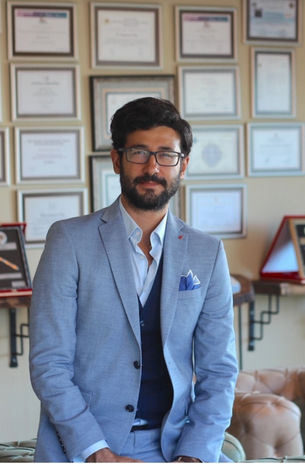
Prof. Dr. Suleyman Tas is a European Board-certified plastic, reconstructive and aesthetic surgeon based in Istanbul with over 20 years of experience, author of Rhinoplasty in Practice (CRC Press) and founder of the Closed Atraumatic Rhinoplasty Course. Read verified patient reviews or book a consultation.
This article is for general information and does not replace an individual medical consultation.


Comments