_edited.png)

Ethnic Rhinoplasty
Updated: Oct 3
What Is Ethnic Rhinoplasty?
Ethnic rhinoplasty is the art of creating a natural, aesthetic nose that carries the features belonging to a person's race (European, African, Middle Eastern, Latin American, Asian, and Hispanic). It is performed by correcting the pathologies in the nose using various surgical techniques to achieve the shape the patient wants. Since rhinoplasty is a personalized procedure, every rhinoplasty is planned according to the person's specific facial features and overall nose structure. At the same time, the different ethnic backgrounds of individuals bring certain characteristic nose types to the forefront. When Asian nose structures are considered, it can be said that they are generally smaller and less arched compared to Turkish nose structures. Therefore, people's different ethnic backgrounds cause different types of characteristic nose structures to emerge. Accordingly, the scope of the rhinoplasty operation to be performed will vary.
Common Nose Features by Ethnic Background and the Method Used
Common features are seen in nose types originating from different ethnic structures. The surgical techniques applied to noses with these features also differ. Ethnic rhinoplasty is significantly different from the classic nose reduction surgeries performed for people of Caucasian origin. Caucasians typically require cartilage and bone removal, but in people of African American or Asian origin, ethnic rhinoplasty is performed using nose augmentation and cartilage grafting methods. Most importantly, the goal of this operation is to help patients improve their facial appearance without losing the unique facial features that carry traces of their ethnic background.
Common Nose Features and the Generally Applied Method
Augmentation: Augmentation is common across all ethnic backgrounds. Subtle changes are made to the angles and the definition of certain areas to balance the proportions of the nose. It is mostly done by reshaping the cartilage. In some cases, due to insufficient cartilage, cartilage (graft) may need to be taken from the rib. For example:
• Creating more defined or softer lines where the nostrils meet the nasal bridge, to create the illusion of a narrower tip. • Directing the tip of the nose upward (rotation) or downward to increase or decrease its distance from the lip. This changes how close the nose appears to the face and can help balance a prominent bridge.
Revision rhinoplasty:
Reduction (removal):
Projection (addition):
Types of Ethnic Rhinoplasty
European Rhinoplasty
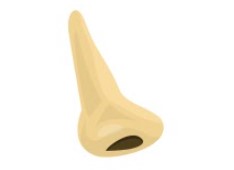
Across generations, Europeans have facial phenotypes and nose characteristics belonging to their own ethno-cultural, mixed, and geographic backgrounds. While European nose structure varies, it is mostly thin-skinned, with an upturned tip and a thin, well-defined nasal structure.
Some of the most popular requests among European rhinoplasty patients are as follows:
Reducing the size of the nose
Improving the dorsal hump — while some patients want a straighter profile, others may want a more curved nose shape.
Achieving a natural look — preserving the nasal features of European origin after rhinoplasty is important.
Achieving a celebrity look — some patients want to have the nose of an artist they admire, requesting a celebrity-inspired look without losing the naturalness of the nose structure.
Breathing problems — in addition to achieving a natural look, patients undergoing rhinoplasty want any existing structural issues in the nose corrected to eliminate breathing problems.
Middle Eastern Rhinoplasty
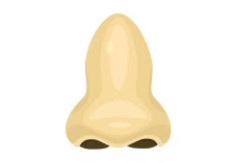
While nose structure varies across most Arab countries, it is generally similar among people of Middle Eastern ethnic origin. Middle Eastern individuals tend to have thicker skin. The nasal tip is often drooping, wide, and less defined. A hump is usually noticeable on the nasal bridge. The nasal base can be wide. In addition to skin thickness, many Middle Eastern men and women also have relatively weak cartilage. For this reason, every effort is made during surgery to strengthen the cartilage in order to preserve the newly created nose shape for a long time.
Some of the most popular goals among Middle Eastern rhinoplasty patients are as follows:
• Improving the hump on the nasal bridge — while some people want to preserve the straight profile often associated with the Middle Eastern nose, others want a more curved or “scooped” nasal dorsum, often associated with Northern and Western European noses. • Lifting a drooping nasal tip — many patients want to raise the position of the nasal tip to improve the nasal angle. • Stabilizing a hyperdynamic nasal tip — some people try to prevent the nasal tip from moving downward when smiling or speaking. • Reducing the size of the nose — some patients simply want to reduce the size of their nose so it is more in harmony with the rest of their facial features. • Improving nasal breathing — a few people want to improve their ability to breathe through the nose by correcting a crooked septum and/or other structural issues.
African American Rhinoplasty
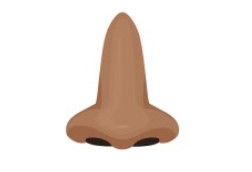
African American rhinoplasty refers to nose surgery specifically designed to improve the appearance and/or function of the nose while respecting the typical features of individuals of African descent. African American nose structure is characterized by thicker ethnic skin, a wider tip, a wider lower nasal bridge, and flared nostrils.
Some of the most common goals and aesthetic preferences among Black rhinoplasty patients are as follows: • Adjusting the nasal bridge — some people want to narrow the nasal bridge to achieve better nose-face balance. • Raising the nose — many patients want to elevate the nasal dorsum to add height to a “flattened” nose. • Refining the nasal tip — a few people want to improve the definition of the nasal tip for better projection. • Narrowing the nostrils — some patients try to reduce the base and width of the nostrils to reduce a “flared” appearance. • Resolving nasal breathing issues — some people aim to correct a deviated septum and/or other structural issues to improve nasal breathing.
Hispanic Rhinoplasty
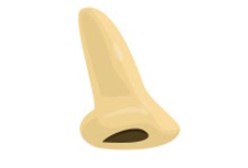
Hispanic rhinoplasty is a term covering nose surgery for many different Spanish and Latin-origin individuals, including those from or with ancestry in Spain, Mexico, Central America, South America, and various Caribbean island nations. Many Latin patients complain about the flatness or the hump of the nasal bridge, and this type of nasal bridge can make the nose look much wider than it actually is. In Latin patients, the nostrils and nasal tip can be wide, and the nasal skin can be thick. Pinched nasal wings are quite common in people with a typical Latin nose. While the exact reasons for pursuing treatment are entirely personal to each individual, some of the most common cosmetic and functional requests shared by Latin/Hispanic rhinoplasty patients are as follows:
• Narrowing various parts of the nose — some people want to reduce the width and size of the nasal tip, nostrils, and nasal bridge to achieve better harmony with their other features and overall facial aesthetics. • Reducing the dorsal hump — a few patients try to correct their dorsal hump to achieve a straight or a curved nasal bridge. • Defining the nasal tip — many people desire to improve the definition and contour of the nasal tip for improved projection and/or a more proportionate look. • Improved nasal breathing — some patients want to correct a crooked septum, narrowed nostrils, and/or other structural nasal issues to improve their ability to breathe through the nose.
What is the “implant-free technique” for rhinoplasty? Can the implant-free technique be used on Hispanic patients?
Instead of using silicone implants or other artificial materials, the patient's own skin, bone, and tissue are grafted to augment areas of the nose. Using the patient's own materials significantly reduces the risk of complications and provides a more natural-looking result. Because ethnic patients have different nose structures, implants may be ineffective. For example, Hispanic patients' nasal bridges are somewhat weaker, and African American patients have more fibrous tissue, and both may not effectively support a facial implant.
Asian Rhinoplasty
Asian rhinoplasty is a term covering nose surgery for individuals coming from, or native to, China, Japan, South Korea, and various other Asian countries, who want to improve the appearance and/or function of their nose while respecting their unique features.
Some general cosmetic and functional preferences shared by many patients seeking Asian rhinoplasty are as follows:
• A higher and/or narrower nasal bridge — several women and men want to raise and/or narrow the nasal bridge to add height and definition to a “flattened” nose, as well as to improve nose-face balance. • A more defined nose — some people aim to widen and/or lengthen their nose to make it more proportionate with the overall shape of their face. • A refined nasal tip — many people want to improve the definition of the nasal tip to enhance the projection of the nose. • Narrower nostrils — some patients want to reduce the width and base of the nostrils to reduce a “flared” appearance. • Improved nasal breathing — some people try to correct a crooked septum and/or other structural issues to breathe better through the nose.
Do I need an implant for Asian rhinoplasty?
Since many Asian noses have a low nasal bridge that needs to be lengthened and raised, implants are frequently used in Asian nose reshaping. The best way to determine what is right for you is to discuss it in detail during your consultation.
Do I need graft tissue for Asian rhinoplasty?
One of the characteristics of Asian noses is a relatively low, flat, and wide nasal bridge, which can make the nose appear short.
Traditional Caucasian rhinoplasty techniques are generally insufficient to accentuate the nasal bridge. Graft material options include the patient's own cartilage (septal cartilage or rib cartilage) or irradiated and purified cadaveric rib cartilage. The same graft is also used to accentuate the nasal tip and raise the nasal bridge. This achieves a more defined and aesthetic result.
Ethnic Rhinoplasty Surgical Technique
As mentioned earlier, different races have certain characteristic nose and facial structures. In ethnic rhinoplasty, these genetic features are taken into account, and the person's ethnic characteristics are preserved as much as possible. The goal is to reshape the patient's nose and repair any structural defects, if present. What matters in ethnic rhinoplasty is not eliminating the characteristic features that come from the person's ethnic group, but making the person a beautiful member of the race they belong to. As with all rhinoplasty procedures, ethnic rhinoplasty is planned with great care to ensure a natural-looking result. Accordingly, the golden ratio is taken into account when performing ethnic rhinoplasty. In other words, a roadmap is drawn up considering all elements of the patient's face and the patient's wishes. Within the scope of ethnic rhinoplasty, cartilage reduction or augmentation procedures are performed in line with the patient's wishes. This allows the nose to be reshaped and remodeled. Depending on the surgical plan created, the nasal lines can be made more defined with added cartilage grafts. The nasal bridge can be augmented with cartilage grafts, the nose can be lengthened, or the nasal tip can be made more defined. This also includes narrowing the nasal base. What matters most here is the surgical plan created by the doctor based on the results of your examination and your own requests.
The main techniques used in rhinoplasty surgeries are as follows;
• Closed Rhinoplasty
The technique and technology used in ethnic rhinoplasty are also important. As Dr. Suleyman Tas Clinic, in ethnic nose surgeries we use closed-technique rhinoplasty and micro-motor technology, which is superior compared to other techniques.
Closed-Technique Rhinoplasty
In light of this information, the most typical concerns of ethnic rhinoplasty patients and the most suitable method they want are shown below. Any plastic surgeon should also offer you options based on your unique features and goals.
Et |
hnic Background | Thick Skin | Thin Skin | Bulbous Tip | Flat or Wide Tip | Wide Bridge | Narrow Bridge | Reduction | Excision | Projection Addition |
European | |||||||||
African American | |||||||||
Asian | |||||||||
Hispanic | |||||||||
Middle Eastern |
Factors Affecting Ethnic Rhinoplasty Prices and the Results Achieved
Clear information about ethnic rhinoplasty prices cannot be given before the examination, since the exact price only emerges after the examination is carried out. The main reason for this is that many factors affect ethnic rhinoplasty prices. These factors include variables such as the plastic surgeon's success and experience in ethnic rhinoplasty, which hospital is chosen, and how many days will be spent in the hospital. The ultimate goal in ethnic rhinoplasty is to shape the nose structure in a way that suits the person's ethnic background and give it a natural appearance.
Frequently Asked Questions
Who Is Suitable for Ethnic Rhinoplasty?
Suitable nose types for ethnic rhinoplasty include the following: those with a very small, very flat nose; cases where there is a nasal imbalance inconsistent with the chin and forehead structure; wide nostrils; and conditions such as width and length that disrupt the aesthetic appearance of the nose. Patients with common nose features such as drooping, disproportionate, asymmetric noses, bulbous nasal tips, or an overly upturned nose are also good candidates for this operation. As with other nose operations, ethnic rhinoplasty cannot be performed on children whose nasal development is not yet complete; patients must be at least 17 years old.
What Are the Risks?
As with most surgical procedures, rhinoplasty carries certain risks. The anesthesia used during surgery may be the primary one. Swelling in the nose is not a risk; it is the skin's natural reaction. 80% of the swelling resolves within the first two months. The nose takes its final shape within 12 months. Relatively rare risks include asymmetries, delayed healing, numbness, infection, and scarring. Most of these risks can be prevented with technical expertise and skill. Revision rates for rhinoplasty are around 8% worldwide. Since smoking delays the patient's healing process, patients are advised to quit smoking before surgery.
Does Ethnic Rhinoplasty Leave a Scar?
Rhinoplasty surgeries are performed using two methods: closed and open. Your doctor decides which method to use based on the issues present in the nose. The most important feature of surgeries performed with the closed technique is that the incisions are made from the inside, leaving no visible scar. In surgeries performed with the open technique, an incision is made from the outside. Since these incisions are located on the underside of the nose, they are not noticeable unless examined very closely. While there is a chance of scarring in open surgeries, closed surgeries leave no scar.
How Long Does Ethnic Rhinoplasty Take?
Rhinoplasty surgeries are completed in different durations depending on the technique to be used and the issue present in the nose. Closed surgeries can be completed within 1-2 hours, while open surgeries can take up to 4 hours.
Is Ethnic Rhinoplasty a Difficult Surgery?
In the past, rhinoplasty was a quite difficult surgery because technology had not yet developed, and the healing process was also quite long. However, as a result of technological advances, rhinoplasty surgeries can now be performed quite easily and successfully by doctors. The degree of difficulty of the surgery varies depending on the issues present in the nose.
How Does Ethnic Rhinoplasty Affect the Sense of Smell?
Swelling of the internal nasal structures can cause rhinoplasty to temporarily alter the patient's sense of smell. Fortunately, as the swelling resolves, the normal sense of smell should return. Some patients even notice an improvement in their sense of smell after the procedure due to more open nasal passages.
What Should Be Considered in Nose Care After Rhinoplasty?
Nose care after rhinoplasty requires attention. In addition to following your doctor's recommendations: • You should rest with your head elevated. • The nose area should be protected from any kind of traumatic impact. • Glasses should not be worn for the first 2 months. • If the open rhinoplasty technique was used, the area should be protected from sunlight.
Ethnic rhinoplasty
Core Rhinoplasty Guides From Prof. Dr. Suleyman Tas
Rhinoplasty in Istanbul — closed atraumatic technique, results and consultation with Prof. Dr. Suleyman Tas
How to choose the best rhinoplasty surgeon — the checks to make and the questions to ask
Rhinoplasty in Turkey for international patients — safety, process and aftercare
Revision rhinoplasty guide — when a second nose surgery is needed and how it is planned
Closed atraumatic rhinoplasty technique — how the operation avoids an external incision
Preservation rhinoplasty explained — dorsal preservation and who it suits
Rhinoplasty cost in Istanbul — what sets the price and what a quotation should list
Complete rhinoplasty guide — from consultation to recovery


Comments