_edited.png)

How to Choose the Best Rhinoplasty Surgeon (7 Criteria)
Updated: 2 days ago
Search "best rhinoplasty surgeon" and you'll get thousands of results, most of them marketing pages that all claim the same thing. So how do you actually tell a good rhinoplasty surgeon from a great one? Below is a practical checklist, drawn from the criteria surgeons themselves say separate an excellent rhinoplasty practice from an average one.
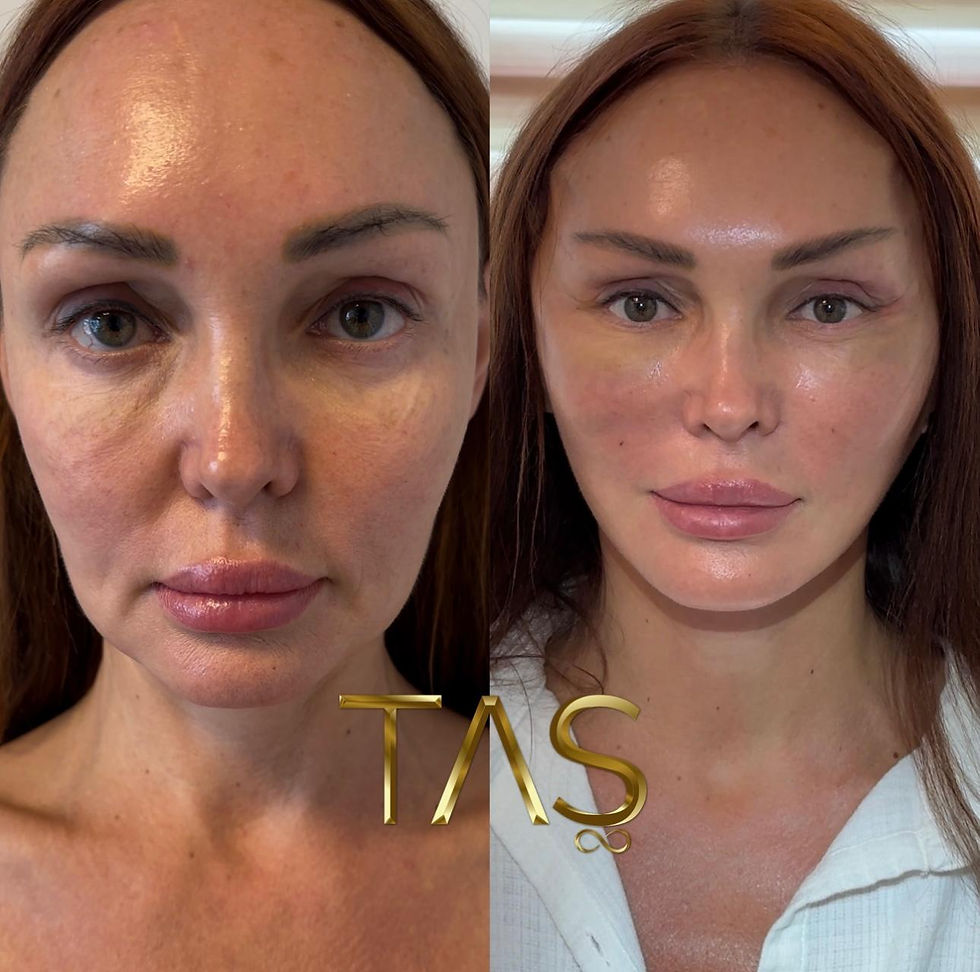
A rhinoplasty result at 8 months — by this stage, most of the swelling has resolved and the result is close to final.
1. Board Certification — the Non-Negotiable Baseline
Rhinoplasty is performed by surgeons from several different training backgrounds. At minimum, confirm your surgeon holds a recognized plastic surgery board certification (in Europe, look for European Board of Plastic, Reconstructive and Aesthetic Surgery certification). Board certification confirms standardized training, examination, and ongoing peer accountability — it's the floor, not the ceiling.
2. Rhinoplasty-Specific Experience, Not Just General Plastic Surgery Experience
A surgeon can be an excellent plastic surgeon overall and still not be a rhinoplasty specialist. Rhinoplasty is widely considered the single most technically difficult procedure in aesthetic surgery, because it combines structural engineering (bone and cartilage), soft-tissue behavior (skin envelope), and function (the airway) in one small, highly visible area. Ask directly:
How many rhinoplasties has this surgeon performed?
What percentage of their practice is rhinoplasty specifically?
Do they perform primary rhinoplasty, revision rhinoplasty, or both?
3. A Real, Documented Track Record — Not Just a Highlight Reel
Every clinic can show you their best five results. Ask to see a broader range of before-and-afters, including different nose shapes, skin types, and ethnic backgrounds similar to your own — a surgeon who has extensively documented outcomes across thick skin, thin skin, male noses, revision cases, and different ethnic anatomies is showing you genuine range, not a curated highlight reel.
4. Published Research and Teaching Activity
Surgeons who publish in peer-reviewed journals, present at international congresses, and teach live surgery courses to other surgeons are subject to a level of scrutiny that a purely commercial practice isn't. It's a meaningful (if imperfect) signal of technical credibility within the surgical community itself, not just with patients. A surgeon whose annual training course draws surgeons from dozens of countries, for instance, is being evaluated constantly by professional peers, not just by patient reviews.
5. A Consultation That Actually Diagnoses You
A rushed 10-minute consultation that jumps straight to a digital "simulation" and a price quote is a red flag. A thorough consultation should include a physical exam, a discussion of your breathing (not just appearance), an analysis of your skin thickness, and an honest conversation about what is and isn't achievable for your specific anatomy. If a surgeon promises a specific celebrity's nose or guarantees perfect symmetry, that's a sign they're prioritizing the sale over the honest anatomy conversation.
6. Technique Transparency
Ask which technique — open or closed rhinoplasty — your surgeon prefers, and why, for your case. There's no single "correct" answer, but a surgeon who can clearly explain their reasoning (rather than defaulting to one technique for every patient) is demonstrating real clinical judgment rather than habit.
7. Comfort, Communication, and Aftercare Structure
The best surgical outcome can still leave a patient unhappy if the recovery experience feels unsupported. Ask what post-operative care looks like: How many follow-up visits are scheduled? Is there a clear plan for swelling management, splint removal, and the emotional adjustment period as you first see your new nose? A clinic that plans for the psychological side of recovery — not just the physical side — tends to produce more satisfied long-term patients.
How to Verify a Rhinoplasty Specialist in Istanbul or Turkey
Anyone can call themselves a rhinoplasty specialist online. In Turkey, as in most countries, the phrase is a marketing description, not a licence. These checks separate a verifiable specialist from a polished advertisement.
Training and certification: confirm that the surgeon completed a recognised plastic, reconstructive and aesthetic surgery residency, and ask which board or national body certified them. In Europe, the European Board of Plastic, Reconstructive and Aesthetic Surgery (EBOPRAS) awards a diploma to qualified plastic surgeons.
Professional societies: look for the surgeon in the member directory of the Turkish Society of Plastic, Reconstructive and Aesthetic Surgeons (TPCD) and, where a surgeon claims it, in the ISAPS "Find a Surgeon" directory of the International Society of Aesthetic Plastic Surgery. A claimed membership should be easy to confirm in the official list.
Personal rhinoplasty volume: ask how many rhinoplasties the surgeon performs personally each year, and how many of them are primary and how many are revisions.
Taught and published work: a textbook, peer-reviewed publications that you can find in PubMed, and teaching roles show that other surgeons trust the technique enough to learn from it.
The hospital: confirm that the operation takes place in a hospital licensed by the Turkish Ministry of Health, with an anaesthesiologist and recovery facilities.
The operating surgeon: ask for written confirmation that the surgeon you meet at the consultation is the surgeon who performs the operation.
A step-by-step guide to checking credentials is in How to verify a plastic surgeon’s credentials.
Rhinoplasty Specialist or General Plastic Surgeon?
Rhinoplasty is part of plastic surgery, and surgeons differ widely in how much of their practice it makes up. A surgeon who divides time between breast, body and face surgery can still deliver a good rhinoplasty, but the nose is small, unforgiving and closely tied to breathing, so complex and revision cases reward a surgeon who performs them regularly. Ask what share of the practice is rhinoplasty, ask to see consecutive patients rather than only selected best cases, and ask how complications such as bleeding, infection, airway obstruction or the need for a correction are prevented and managed. A trustworthy surgeon discusses these openly and gives realistic ranges instead of promises.
Questions Specific to Closed, Preservation and Revision Rhinoplasty
Which technique do you plan for my nose (closed, open, preservation) and why is it better than the alternatives for my anatomy?
How many closed or preservation rhinoplasties have you performed personally, and can I see results at one year and beyond?
How do you protect the airway and the nasal valve while reshaping the nose?
If I need cartilage, where will it come from and how do you decide?
For a revision: how many revision rhinoplasties do you perform, and what would you do differently from my first surgeon?
What is your policy if I need a correction, and what does it cover?
Read more about the techniques: closed atraumatic rhinoplasty, preservation rhinoplasty and revision rhinoplasty.
Extra Checks for International Patients Considering Rhinoplasty in Turkey
A written quotation that lists what is included: surgeon’s fee, hospital, anaesthesia, materials, medication, accommodation, transfers and follow-up visits.
A stay in Istanbul long enough for the first check-up and splint removal: ask the surgeon how long they recommend, and be cautious about itineraries that send you home earlier.
A named contact for aftercare once you are home, and a clear written policy on corrections.
Copies of the operative report and your photographs, so your doctor at home can continue your care.
Direct communication with the surgeon before you travel, not only with a patient coordinator.
More on travel, safety and aftercare: Rhinoplasty in Turkey for international patients. For pricing, see Rhinoplasty cost in Istanbul.
How Prof. Dr. Suleyman Tas Approaches Rhinoplasty
Prof. Dr. Suleyman Tas is a board-certified plastic, reconstructive and aesthetic surgeon in Istanbul with more than 20 years of experience. He developed the closed atraumatic rhinoplasty technique, wrote the textbook Rhinoplasty in Practice (CRC Press) and teaches surgeons from around the world in his rhinoplasty course and fellowship program. The technique — closed atraumatic, preservation or a revision approach — is chosen after examining your nose, not before.
You can review the details on the rhinoplasty in Istanbul page, in the before and after gallery, and on the About Me page.
Who Is the Best Rhinoplasty Surgeon in Istanbul?
No independent ranking can name one best rhinoplasty surgeon, and any website that claims to is selling something. The best surgeon for you is the one whose verifiable training, personal rhinoplasty volume, long-term results and communication fit your needs. Use the checks above to compare Prof. Dr. Suleyman Tas and any other surgeon on the same terms, then book a consultation and judge the answers you receive.
Questions to Ask in Your Consultation
What is your specific plan for my skin type?
How will you handle my ethnic/gender-specific anatomy?
What technique will you use, and why?
What percentage of your rhinoplasty patients need revision?
What does the recovery and follow-up schedule look like?
Can I see results from patients with a similar nose shape and skin type to mine?
Red Flags to Watch For
Guarantees of "perfect" or "100% symmetrical" results — anatomically, this isn't achievable for anyone.
Pressure to book quickly, or discounted pricing tied to an urgent deadline.
No physical exam before a price is quoted.
Only showing five to ten "perfect" before-and-afters, with no willingness to discuss revision rates or complications.
Vague or evasive answers about which technique (open/closed) they use and why.
Why International Patients Specifically Should Vet Credentials Carefully
If you're traveling internationally for rhinoplasty — as many patients do, particularly to Istanbul, which has become one of the world's leading destinations for the procedure — credential verification matters even more, because a follow-up visit in person isn't always simple if something needs adjusting. Look specifically for:
A clinic with a track record of treating international patients, including a clear pre-travel consultation process (video call, photo review, documented plan) before you book flights.
A realistic in-country stay recommendation — most reputable clinics recommend 10–12 days to allow the splint to come off and initial healing to be checked before you fly home.
A clear revision policy in case of complications, and whether follow-up can happen remotely via photo/video check-ins.
FAQ
Is a more expensive surgeon automatically better?
Not necessarily — price often reflects clinic overhead and location as much as surgical skill. Credentials, experience, and communication matter more than price alone.
Should I choose a surgeon based on Instagram before-and-afters?
They're a useful starting point, but heavily filtered or selectively lit photos can be misleading. Prioritize consultations and verified credentials over social proof alone.
How many rhinoplasties should a surgeon have performed before I trust them with mine?
There's no universal number, but surgeons with 1,000+ career rhinoplasties and a high proportion of their overall practice dedicated to nasal surgery specifically tend to have deeper pattern recognition across skin types and anatomies.
How long should I plan to stay if I'm traveling for surgery?
Most reputable clinics recommend 10–12 days, which allows time for the initial consultation, the surgery itself, and the splint-removal check before flying home.
How can I verify a rhinoplasty specialist in Istanbul?
Ask for the surgeon’s board certification and professional society membership and confirm them in the official directories, ask for personal rhinoplasty case numbers and long-term results, and confirm that the operation takes place in a licensed hospital and is performed by the surgeon who consulted you.
Who is the best rhinoplasty surgeon in Istanbul?
No independent ranking can name a single best surgeon. Compare verifiable training, personal rhinoplasty volume, results at one year and beyond, and aftercare, then choose the surgeon whose answers and results fit your needs.
What should I ask a revision rhinoplasty surgeon?
Ask how many revision rhinoplasties they perform personally, where cartilage grafts will come from, what they would do differently from the first operation, and what their policy is if a further correction is needed.
Is rhinoplasty in Turkey safe for international patients?
It can be when you choose a qualified plastic surgeon, a licensed hospital, a written aftercare plan and enough time in Istanbul for follow-up. Safety depends on those choices more than on the country.
Next Step
If you'd like a consultation built around this exact checklist — a full physical exam, an honest conversation about your skin and anatomy, and a clear technique explanation — book a consultation with Prof. Dr. Suleyman Tas, a European Board–certified plastic surgeon with more than 20 years of experience and over 10,000 procedures performed, who trains other surgeons internationally through his annual rhinoplasty course.
Continue reading: The Complete Guide to Rhinoplasty · Meet Prof. Dr. Suleyman Tas

Search "best rhinoplasty surgeon" and you'll get thousands of results, most of them marketing pages that all claim the same thing. So how do you actually tell a good rhinoplasty surgeon from a great one? Below is a practical checklist, drawn from the criteria surgeons themselves say separate an excellent rhinoplasty practice from an average one.
Related reading
About the author
Prof. Dr. Suleyman Tas is a European Board-certified plastic, reconstructive and aesthetic surgeon based in Istanbul with over 20 years of experience, author of Rhinoplasty in Practice (CRC Press) and founder of the Closed Atraumatic Rhinoplasty Course. Read verified patient reviews or book a consultation.
This article is for general information and does not replace an individual medical consultation.


Comments