_edited.png)

Inverted Nipples and Other Nipple Problems: Causes and Correction
Key takeaways
An inverted (retracted) nipple points inward instead of outward; it can affect one or both breasts.
The most common cause is short milk ducts and tight fibrous bands, present from birth or developing over time; infection can also retract the nipple, and rarely a tumour.
A newly inverted nipple in adulthood must be examined to rule out underlying breast disease.
Mild cases may respond to suction devices; persistent cases are corrected under local anaesthesia, with duct-preserving techniques whenever possible so breastfeeding remains possible.
What causes inverted nipples?
Congenital short ducts and fibrous tissue that tether the nipple inward
Developmental changes during breast growth
Infection or inflammation of the ducts (such as mastitis or duct ectasia), which causes scarring and retraction
Previous breast surgery or trauma
Rarely, tumours that pull the nipple inward, which is why new retraction must always be investigated
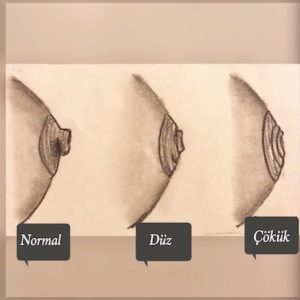
Grades of inverted nipple
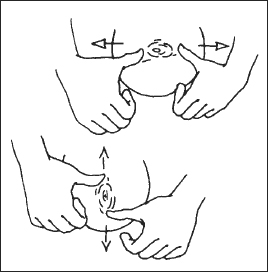
Grade 1: the nipple can be pulled out easily and stays out for a while; ducts are usually normal.
Grade 2: the nipple can be pulled out but retracts again; moderate fibrosis.
Grade 3: the nipple can hardly or not be pulled out; significant fibrosis and short ducts.
Treatment options
Suction devices
For mild cases, especially in women who are breastfeeding, suction devices (similar to breast pumps) can gradually draw the nipple out. Results vary and may be temporary.
Minimally invasive, duct-preserving correction
When suction is not enough, the area is numbed with local anaesthetic. Through tiny incisions, the tight fibrous bands are released and supporting sutures are placed at the base of the nipple to keep it projected, without cutting the milk ducts. Because the ducts are preserved, future breastfeeding is not affected.
Duct-division surgery
In severe (Grade 3) cases where the nipple cannot be brought out with other methods, the shortened ducts may need to be divided, and nearby tissue flaps are used to support the nipple. This gives a reliable result but can affect breastfeeding, which is discussed carefully before surgery.
Other nipple and areola concerns
Large or wide areolas: reduced through an incision around the areola, often combined with breast lift or reduction.
Enlarged or long nipples: nipple reduction under local anaesthesia.
Asymmetric nipples or areolas: corrected alone or during other breast procedures.
See the breast surgery page and breast deformities and treatments.
Recovery
Nipple correction is usually a short outpatient procedure. A protective dressing is worn for several days, and most women return to normal activities within 1–2 days, avoiding pressure and heavy exercise for about 2 weeks.
Frequently asked questions
Can I breastfeed after inverted nipple correction?
Yes, when duct-preserving techniques are used. Severe cases requiring duct division may reduce the ability to breastfeed.
Can inverted nipples come back?
Recurrence is possible, especially in severe cases, and can be corrected again.
Is inverted nipple correction painful?
It is performed under local anaesthesia; mild soreness afterwards is common.
Should I worry about a nipple that recently turned inward?
Yes, see a doctor promptly for examination and imaging.
Is nipple correction performed under general anaesthesia?
Most inverted nipple corrections and areola reductions are done under local anaesthesia in under an hour, sometimes with light sedation.
Will I still be able to breastfeed?
Techniques that preserve the milk ducts keep breastfeeding possible. Some corrections of severe inversion divide ducts, so tell your surgeon before the operation if you plan to breastfeed.
Next step
Contact Prof. Dr. Suleyman Tas Clinic for a confidential consultation.
About the author
Prof. Dr. Suleyman Tas is a European Board-certified plastic, reconstructive and aesthetic surgeon based in Istanbul with over 20 years of experience, author of Rhinoplasty in Practice (CRC Press) and founder of the Closed Atraumatic Rhinoplasty Course. Read verified patient reviews or book a consultation.
This article is for general information and does not replace an individual medical consultation.



Comments