_edited.png)

Big and Long Nose Surgery: How Much Can a Nose Be Reduced and How It Is Planned
Updated: 3 days ago
Key takeaways
A big or long nose is one of the most common nose types, especially in Turkey and the Middle East, and it can be reduced successfully.
Reduction rhinoplasty shortens the cartilages that make the nose long, lowers a hump, refines the tip and narrows the bones, planned in harmony with the forehead, cheekbones, lips and chin.
The skin envelope limits reduction: because skin does not shrink as much as the framework, a nose can usually be reduced by only about 20–25% without problems.
Over-reduction damages breathing and creates an operated look; a proportionate nose, not a tiny one, is the goal. The skin fully adapts to the new framework in 1–2 years.
Why a big nose matters
The nose sits in the centre of the face and influences its appearance more than any other feature. Some people are bothered by the profile, some by the front view and some by both. A long or large nose can also make the chin look weaker and the face older. Reducing a large nose is considered one of the more challenging rhinoplasty operations, but with the right surgeon an excellent, natural result is achievable. Humped noses often fall into this category too.
How much can a nose be reduced?
During surgery the bone and cartilage are reduced, but the amount of skin stays the same. The skin gradually contracts and re-drapes over the smaller framework, and after 1–2 years it fits the new shape. Because skin can only contract so much, reduction beyond about 20–25% risks leaving excess skin over a small framework, poor definition, scar tissue and a "shrink-wrapped" or blunt look. Skin thickness is a key factor: thick skin contracts less, so the plan is more conservative. See rhinoplasty and skin type.
How reduction rhinoplasty is planned
Consultation and examination. The surgeon listens to your concerns and examines the nose inside and out.
Whole-face analysis. The nose cannot be considered independently: cheekbones, jaw, chin, lips and forehead are evaluated so the new nose fits the face. See nasal analysis before rhinoplasty.
Functional assessment. Airway problems such as a deviated septum are identified and included in the plan, because making a nose smaller than it should be can harm breathing.
Simulation. A realistic preview shows the achievable reduction.
Tests. Medical tests confirm there are no conditions that increase surgical risk. See rhinoplasty risks and safety.
What is done in surgery?
Shortening of the septal and lateral cartilages that make the nose long
Tip reduction and refinement, reducing tip cartilage where needed and correcting a droopy tip
Hump reduction and lowering of the bridge
Narrowing of wide nasal bones, preferably with ultrasonic (piezo) instruments
Nostril reduction when the base is wide; see nostril and nasal wing reduction
Chin balancing in some patients with a retruded chin, which makes the nose look larger, using an implant or fat grafting
Prof. Dr. Suleyman Tas uses closed, atraumatic techniques whenever possible, preserving tissue for less swelling and a natural result.
Recovery
The splint is removed after about a week, and most patients return to social life in 1–2 weeks. The nose looks smaller early on, then continues to refine as the skin contracts; the final shape takes 1–2 years, particularly with thick skin. See the rhinoplasty recovery timeline.
Frequently asked questions
Can a big nose be made small?
It can be made proportionate to the face. A dramatically tiny nose is neither achievable nor desirable with normal skin.
Is big nose surgery harder than other rhinoplasties?
It is more demanding because the reduction must be balanced with skin and breathing, but results are excellent with experience.
Will my nose keep shrinking after surgery?
It appears to refine for 1–2 years as swelling resolves and skin adapts, but the framework does not keep shrinking.
Next step
See rhinoplasty by nose type or contact Prof. Dr. Suleyman Tas Clinic to plan a proportionate reduction with Prof. Dr. Suleyman Tas.
About the author
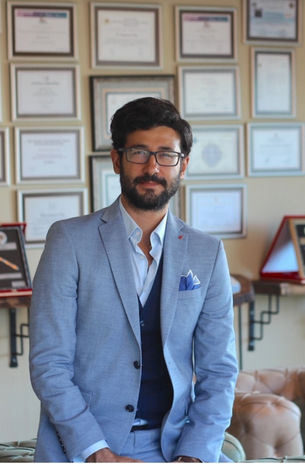
Prof. Dr. Suleyman Tas is a European Board-certified plastic, reconstructive and aesthetic surgeon based in Istanbul with over 20 years of experience, author of Rhinoplasty in Practice (CRC Press) and founder of the Closed Atraumatic Rhinoplasty Course. Read verified patient reviews or book a consultation.
This article is for general information and does not replace an individual medical consultation.


Comments