_edited.png)

Hitting Your Nose After Rhinoplasty: What Happens, Warning Signs and How to Protect It
Key takeaways
A light bump (touching the nose, brushing it with a pillow or a child's hand) almost never damages the result.
A real blow in the first 6 weeks, while the bones are still healing, can shift them or disturb the cartilage.
Warning signs: a visible change in shape, a new crooked appearance, heavy or persistent bleeding, rapidly increasing swelling, severe pain or new breathing blockage.
If in doubt, contact your surgeon the same day. Early assessment allows simple correction if something has moved.
How vulnerable is the nose after surgery?
During rhinoplasty the nasal bones may be repositioned and cartilage reshaped. The bones need roughly 6 weeks to heal firmly, and the soft tissue and cartilage continue to settle for months. In the first week the splint offers protection; after it is removed, the nose is more exposed while still healing. Protecting it from impact during this period is one of the most important things you can do for your result.
Light bump or real trauma?
Usually harmless:
Touching or accidentally pressing the nose while washing your face
Brushing it against a pillow while sleeping
A light tap from a child's or pet's paw
Sneezing (keep the mouth open)
These may cause a moment of discomfort but rarely change anything.
Potentially significant:
A fall onto the face
A direct blow from an elbow, a ball, a door or a head
Any impact strong enough to cause immediate bleeding, a crack sensation or a visible change
Warning signs after a blow
Contact your surgeon promptly if you notice:
A change in the shape of the nose, new crookedness or a new bump
Bleeding that does not stop with gentle pressure after 15–20 minutes
Rapidly increasing swelling or bruising
Severe or worsening pain
New difficulty breathing on one side
A soft, painful swelling inside the nose, which could be a septal haematoma and needs urgent drainage. Read about septal hematoma.
What your surgeon will do
The nose is examined, and in some cases the inside of the nose is checked with an endoscope. If the bones have shifted in the early weeks, they can often be gently repositioned before they set, sometimes without a new operation. If nothing has moved, you will simply be advised on care and follow-up. Minor asymmetries that appear later are evaluated after swelling has settled, because early swelling can mimic displacement.
How to protect your nose during recovery
Sleep on your back with the head elevated for the first 2–4 weeks.
Avoid crowded places and busy public transport in the first weeks.
Be careful with children and pets: do not let small children climb on you or sleep in your bed.
Do not wear glasses on the nose for the first month.
Postpone contact sports until your surgeon allows; see exercise after rhinoplasty.
Avoid bending and heavy lifting for 2–3 weeks.
Take care with clothing: wear tops that button or zip rather than pulling them over your head.
Frequently asked questions
Can a small bump ruin my rhinoplasty?
Very unlikely. The nose is more resilient than most patients fear; only significant force in the early weeks tends to cause problems.
How long is the nose fragile after rhinoplasty?
The bones are most vulnerable for about 6 weeks. Strong impact should still be avoided for three months.
I hit my nose and it is swollen. Is it broken?
Swelling alone is common after any bump. A change in shape, heavy bleeding or breathing difficulty needs examination.
Can a nose be corrected if it gets injured after rhinoplasty?
Yes. Early repositioning is often possible; later problems can be corrected with revision once healing is complete. See the revision rhinoplasty guide.
Next step
If you are a Prof. Dr. Suleyman Tas Clinic patient and have hit your nose, send photos to the clinic team. For all other enquiries, contact Prof. Dr. Suleyman Tas Clinic.
About the author
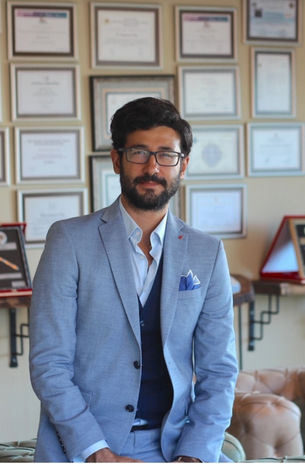
Prof. Dr. Suleyman Tas is a European Board-certified plastic, reconstructive and aesthetic surgeon based in Istanbul with over 20 years of experience, author of Rhinoplasty in Practice (CRC Press) and founder of the Closed Atraumatic Rhinoplasty Course. Read verified patient reviews or book a consultation.
This article is for general information and does not replace an individual medical consultation.


Comments