_edited.png)

Nasal Valve Collapse: Causes, Symptoms and Surgical Repair
Updated: 3 days ago
Key takeaways
The nasal valve is the narrowest part of the airway; even a small collapse or narrowing causes marked obstruction.
Symptoms are nasal blockage that worsens on deep breathing or exercise, mouth breathing, snoring, dry throat and unrefreshing sleep.
Common causes are previous rhinoplasty with over-resection, trauma, ageing, a deviated septum and facial nerve weakness.
Permanent treatment is surgical: spreader, batten or alar rim cartilage grafts widen and stiffen the valve, often combined with septoplasty and rhinoplasty.

What is the nasal valve?
The nasal valve is the region inside the nose that regulates airflow, and it comes in two parts. The external nasal valve is the nostril opening, framed by the columella, the alar rim and the nasal sill. The internal nasal valve lies about 1.5 cm inside, where the lower edge of the upper lateral cartilage meets the septum at an angle of normally 10–15 degrees, together with the head of the inferior turbinate. Because it is the narrowest point of the whole airway, tiny changes in its angle or stability have a large effect on breathing. When the angle becomes too narrow or the side wall is too weak to resist the suction of inspiration, the valve collapses inward, which is called nasal valve collapse, stenosis or insufficiency.
Causes of nasal valve collapse
Previous nose surgery. The most frequent cause seen at Prof. Dr. Suleyman Tas Clinic: over-resection of the upper lateral or lower lateral cartilages in an earlier rhinoplasty weakens the side wall. This can appear years later as the tissues thin.
Trauma. Fractures and displaced cartilage narrow the valve angle.
Deviated septum. A septal bend at the valve level directly narrows the airway on that side.
Congenital anatomy. Narrow noses, thin or weak cartilages, and cleft-lip noses.
Ageing. Loss of cartilage strength and tip drooping narrow the external valve.
Facial paralysis. Loss of muscle tone lets the nostril collapse on inspiration.
Swelling of the lining. Turbinate hypertrophy or allergic swelling adds to the obstruction.
Symptoms: how to recognise nasal valve collapse
Persistent nasal congestion, often worse on one side
Blockage that increases when you breathe in deeply or during exercise
Visible inward collapse of the side of the nose or nostril on inspiration
Mouth breathing, sleeping with an open mouth, snoring
Waking with a dry, sticky throat and feeling unrefreshed
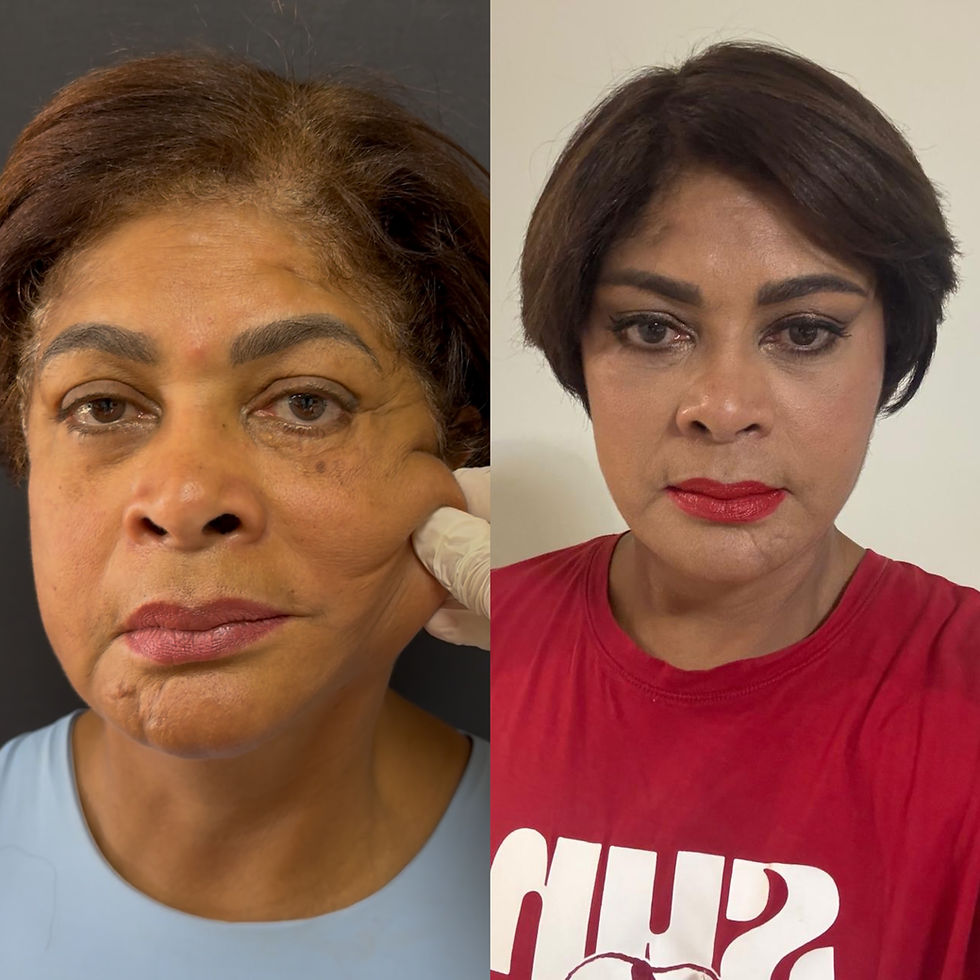
Better breathing when the cheek is pulled outward (the Cottle test) or when a nasal strip is applied
Many patients have used decongestant sprays for years without relief, because the problem is structural rather than mucosal.
How nasal valve collapse is diagnosed
Diagnosis is clinical. Prof. Dr. Suleyman Tas observes the nose during quiet and forced inspiration, performs the Cottle manoeuvre (gently pulling the cheek to open the valve) and a modified Cottle test with a fine instrument to locate the exact collapse, and examines the inside of the nose with an endoscope. A CT scan is added when septal or sinus problems are suspected. It is important to distinguish valve collapse from a deviated septum, turbinate hypertrophy or polyps, because each needs a different treatment, and they frequently coexist.
How nasal valve surgery is performed
Non-surgical measures (nasal strips, internal dilators) help temporarily but do not cure the problem. Permanent correction is surgical, performed under general anaesthesia, usually through an open approach so that the grafts can be placed precisely:
Spreader grafts. Strips of septal cartilage placed between the septum and the upper lateral cartilages widen the internal valve angle.
Spreader flaps. When the patient's own upper lateral cartilage is long enough, it is folded inward to achieve the same effect without extra cartilage.
Alar batten grafts. Cartilage plates placed along the weak side wall stiffen it against collapse.
Alar rim and lateral crural strut grafts. Support the nostril margin for external valve collapse.
Septoplasty and turbinate reduction. Performed in the same operation whenever they contribute to obstruction.
When the nasal septum has already been used in an earlier operation, cartilage is taken from the ear or rib. Because valve collapse so often follows a previous rhinoplasty, the repair is usually planned as a structural revision rhinoplasty that restores both breathing and shape. Recovery follows the normal rhinoplasty recovery timeline; most patients notice easier breathing as soon as the splints come out at one week, with continued improvement as swelling settles.
What affects the cost of nasal valve surgery?
The price depends on whether the valve repair is done alone or as part of a full septorhinoplasty, whether ear or rib cartilage must be harvested, the complexity of previous surgery, hospital and anaesthesia fees and the length of stay. Because every case is different, an exact quotation is given after examination or an online photo assessment.

Frequently asked questions
Can nasal valve collapse be treated without surgery?
Nasal strips and internal dilators relieve symptoms while worn but do not correct the anatomy. Surgery is the only permanent solution.
Is nasal valve surgery painful?
No more than rhinoplasty in general: pressure and congestion for a few days, controlled with mild painkillers.
Will my nose look different after valve repair?
Spreader grafts can subtly widen the middle of the nose, which is often an aesthetic improvement in pinched noses. Changes are planned with you beforehand.
How successful is nasal valve surgery?
In experienced hands, most patients report significant and lasting improvement in breathing and sleep quality.
Does insurance cover nasal valve surgery?
It is a functional procedure and may be covered in some countries; combined aesthetic work is usually not. The clinic provides the documentation you need.
Related reading
See how breathing problems are corrected together with shape on our rhinoplasty page, read about saddle nose repair, or contact Prof. Dr. Suleyman Tas Clinic for an assessment by Prof. Dr. Suleyman Tas.
About the author
Prof. Dr. Suleyman Tas is a European Board-certified plastic, reconstructive and aesthetic surgeon based in Istanbul with over 20 years of experience, author of Rhinoplasty in Practice (CRC Press) and founder of the Closed Atraumatic Rhinoplasty Course. Read verified patient reviews or book a consultation.
This article is for general information and does not replace an individual medical consultation.

Comments