_edited.png)

Top 10 Myths About Rhinoplasty, Debunked by a Surgeon
Updated: Oct 3
Few procedures attract as many myths as rhinoplasty. Some come from old techniques, some from social media and some from bad experiences with poorly planned surgery. Here are the ten myths patients most often bring to the consultation, and what is actually true.
Key takeaways
Modern rhinoplasty is far less painful, and recovery far more comfortable, than most people expect.
A good rhinoplasty looks natural; an "operated" nose is a sign of poor planning, not of surgery itself.
Breathing problems can be fixed in the same operation.
Age, skin type and previous surgery change the plan but rarely rule surgery out.
Myth 1: Rhinoplasty is very painful
False. Pain thresholds vary, but most patients describe pressure and congestion rather than pain, controlled with simple medication. The closed atraumatic technique preserves soft tissue and reduces discomfort further.
Myth 2: A nose job cannot fix breathing problems
False. Airways are examined before surgery, and septal deviation, valve collapse and enlarged turbinates are corrected during the same operation. Function and form are planned together.
Myth 3: Splint removal is painful
False. Modern silicone internal splints let you breathe and are removed in seconds, usually without pain. The old cloth packing that caused this fear is no longer used.
Myth 4: Rhinoplasty is for every age
False. Nasal growth should be complete, usually by 17 in women and 18 in men. There is no strict upper age limit; general health is what matters in older patients.
Myth 5: Anyone can have rhinoplasty
False. Uncontrolled medical conditions, bleeding disorders, active smoking and unrealistic expectations are reasons to postpone or decline surgery. A thorough consultation protects patients.
Myth 6: Breastfeeding mothers cannot have rhinoplasty
Mostly false. Rhinoplasty can be planned during breastfeeding with anaesthesia and medication adjusted, though many surgeons prefer to wait until weaning for convenience and recovery. Read more about breastfeeding and nose surgery.
Myth 7: Rhinoplasty causes loss of smell
False. Surgery does not involve the olfactory area. Smell may be temporarily reduced by swelling in the first weeks and returns as the nose heals.
Myth 8: The result always looks fake
False. An unnatural nose is the result of over-reduction, over-rotation or a template applied to every face. Planning by facial proportions produces a nose that fits and is not noticed as operated. See examples in the rhinoplasty before and after gallery.
Myth 9: You see the final result immediately
False. The shape is visible when the splint comes off, but swelling settles over 6 to 12 months, longer in thick-skinned noses. Patience is part of recovery.
Myth 10: Rhinoplasty always leaves a scar
False. Closed rhinoplasty leaves no external scar. Open rhinoplasty leaves a small columella scar that usually fades to a faint line.
Bonus myth: cheaper is the same surgery
False. The price of rhinoplasty reflects surgeon experience, hospital standards and aftercare. Revision surgery to fix a cheap first operation costs far more in time, money and tissue than doing it right the first time.
Frequently asked questions
How do I know what to believe about rhinoplasty?
Rely on board-certified surgeons, peer-reviewed sources and consistent before-and-after documentation rather than social media claims.
Does rhinoplasty change my voice?
No. The vocal cords are not involved; some patients notice a slightly clearer resonance after breathing improves.
Will my nose keep changing for years?
The nose matures over the first year and then remains stable, though it ages naturally with the rest of the face.
Where can I ask my own questions?
Book a consultation with Prof. Dr. Suleyman Tas or start with the complete rhinoplasty guide.
About the author
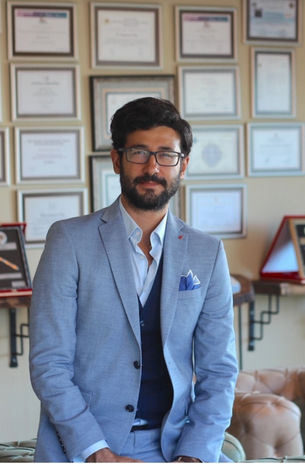
Prof. Dr. Suleyman Tas is a European Board-certified plastic, reconstructive and aesthetic surgeon based in Istanbul with over 20 years of experience, author of Rhinoplasty in Practice (CRC Press) and founder of the Closed Atraumatic Rhinoplasty Course. Read verified patient reviews or book a consultation.
This article is for general information and does not replace an individual medical consultation.
Core Rhinoplasty Guides From Prof. Dr. Suleyman Tas
Rhinoplasty in Istanbul — closed atraumatic technique, results and consultation with Prof. Dr. Suleyman Tas
How to choose the best rhinoplasty surgeon — the checks to make and the questions to ask
Rhinoplasty in Turkey for international patients — safety, process and aftercare
Revision rhinoplasty guide — when a second nose surgery is needed and how it is planned
Closed atraumatic rhinoplasty technique — how the operation avoids an external incision
Preservation rhinoplasty explained — dorsal preservation and who it suits
Rhinoplasty cost in Istanbul — what sets the price and what a quotation should list


Comments