_edited.png)

Rhinoplasty After COVID-19 or a Respiratory Infection: When Is Surgery Safe and How to Prepare Your Immune System
Key takeaways
Elective rhinoplasty should be postponed while you have any active respiratory infection, including COVID-19, flu or a heavy cold.
After an uncomplicated cold, most surgeons wait 1–2 weeks after symptoms resolve; after COVID-19, guidance issued during the pandemic recommended waiting about 7 weeks after infection; more recent guidance favours an individual assessment, with a longer delay after severe illness.
Pre-operative assessment includes a symptom review, blood tests and, when indicated, further tests such as a chest X-ray.
Rhinoplasty itself does not weaken the immune system; good sleep, exercise, nutrition and stress control help you heal well.
Why infections matter for nose surgery
Rhinoplasty is performed under general anaesthesia on the upper airway. An active or recent respiratory infection increases the risk of airway irritation, coughing and breathing complications during and after anaesthesia, and inflamed nasal lining bleeds and swells more. Operating on a healthy patient means a safer anaesthetic and a smoother recovery.
How long should you wait?
Common cold without fever: usually 1–2 weeks after symptoms have fully resolved.
Flu or sinus infection: until fully recovered and treatment completed, typically 2–4 weeks.
COVID-19: anaesthesia and surgical guidance published during the pandemic advised waiting about 7 weeks after infection for elective surgery, because complication risks were higher in the weeks immediately after infection. Current recommendations are more individualised: after a mild infection with full recovery a shorter wait may be acceptable, while the timing is decided together with the anaesthesiologist. Patients who had severe illness or ongoing symptoms (long COVID) need individual assessment and often a longer delay.
Your surgeon and anaesthesiologist make the final decision based on your recovery and test results.
How patients are assessed before surgery
Because general anaesthesia is used, every patient has pre-operative checks:
Questions about recent fever, cough, sore throat, loss of smell or contact with infected people
Blood tests to look for signs of infection or inflammation
Additional tests such as a chest X-ray or testing for specific infections when indicated
Examination by the anaesthesiologist
Infection control in the clinic and operating room
Operating rooms are sterile environments, and strict hygiene protects every patient regardless of any pandemic. Good clinics maintain high infection-control standards: hand hygiene, disinfected consultation areas, sterile instruments and appropriate protective equipment. When choosing where to have surgery, ask about hospital accreditation and hygiene protocols.
Does rhinoplasty affect the immune system?
No lasting effect. Any surgery triggers a temporary inflammatory healing response, but rhinoplasty does not weaken immunity. Strengthening your general health before surgery supports faster healing and lowers infection risk.
Four ways to strengthen your immune system before rhinoplasty
Build a regular sleep routine. Seven to nine hours of good sleep supports immune function and tissue repair.
Exercise regularly. Moderate activity in the weeks before surgery improves circulation and resilience.
Eat a healthy diet. Prioritise protein, vegetables, fruit, and vitamins C and D and zinc from food; see what to eat after rhinoplasty.
Reduce stress. Chronic stress suppresses immunity; relaxation techniques and a well-planned surgery date help.
Also stop smoking; see smoking and alcohol after rhinoplasty.
Breathing problems and delayed surgery
Many patients who need rhinoplasty for breathing problems worry about postponing. Short delays for recovery are safe, and treating the airway once you are fully healthy gives the best outcome. See aesthetic and functional rhinoplasty.
Frequently asked questions
I developed a cold a few days before my rhinoplasty. What should I do?
Tell the clinic immediately; surgery is usually rescheduled once you have recovered.
Does loss of smell after COVID-19 affect rhinoplasty?
It does not prevent surgery once you have recovered, but tell your surgeon so smell can be documented beforehand. See loss of smell after rhinoplasty.
Do I need a COVID test before rhinoplasty?
Testing policies depend on current local guidance and your symptoms; the clinic will advise you.
Next step
Contact Prof. Dr. Suleyman Tas Clinic to plan a safe surgery date with Prof. Dr. Suleyman Tas.
About the author
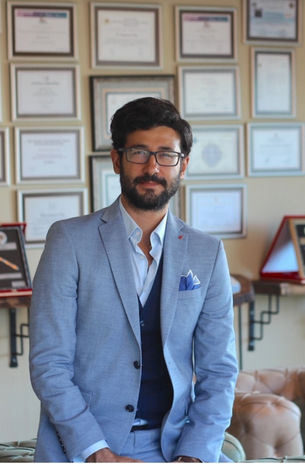
Prof. Dr. Suleyman Tas is a European Board-certified plastic, reconstructive and aesthetic surgeon based in Istanbul with over 20 years of experience, author of Rhinoplasty in Practice (CRC Press) and founder of the Closed Atraumatic Rhinoplasty Course. Read verified patient reviews or book a consultation.
This article is for general information and does not replace an individual medical consultation.


Comments