_edited.png)

How to Get Baby-Soft Skin: Daily Habits, Nutrition and the TAS Baby Skin Care Treatment
Key takeaways
Healthy, "baby-like" skin rests on seven habits: proper cleansing, balanced nutrition, enough water, avoiding smoking and excess alcohol, good sleep, lukewarm (not hot) showers and choosing products that suit your skin type.
Vitamins A, C and E, zinc, omega-3 fatty acids and protein support collagen, repair and protection.
Professional medical facials deep-clean and nourish the skin; TAS Baby Skin Care is an 11-step treatment of about 1–1.5 hours, recommended monthly.
Daily sun protection is the single most effective anti-ageing habit.
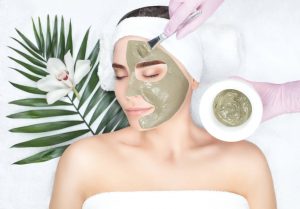
1. Cleansing: the first step to healthy skin
Clean skin is healthy skin. Cleanse morning and evening with a gentle product for your skin type, always remove make-up before bed, and avoid harsh scrubs that damage the skin barrier. At home, cleansing keeps pores clear; professionally, deep cleansing removes build-up that daily washing cannot.
2. The TAS Baby Skin Care treatment
TAS Baby Skin Care is a professional, painless, 11-step medical facial lasting about 1–1.5 hours:
Cleansing and foaming
Peeling to remove dead skin cells
Vacuum deep cleansing of pores
4–5. Vitamin supplements applied to the skin
6–7. Tightening products
8–9. Toning and moisturising
LED therapy chosen for your skin type
Finishing care
The skin is cleansed, tightened and its radiance increased. Monthly sessions are recommended. Before treatment, remove make-up and tell your doctor about any illness, regular medication or facial infection. Afterwards, you can return to social life immediately; use sunscreen and avoid strong sun for 1–2 days, avoid water on the face for 2–3 hours and do not smoke. It is suitable for adults over 18. Learn more on the TAS Baby Skin Care page.
3. Nutrition for skin
Professional treatments replenish the skin, but nutrition provides the building blocks every day:
Vitamin A (carrots, sweet potato, spinach, eggs): supports cell renewal and collagen, helping elasticity.
Vitamin C (citrus, kiwi, peppers, berries): essential for collagen and antioxidant protection.
Vitamin E (nuts, seeds, olive oil, avocado): protects cell membranes from oxidative damage.
Zinc (pumpkin seeds, legumes, seafood): supports healing and oil regulation.
Omega-3 (oily fish, walnuts, flaxseed): maintains the skin barrier and reduces inflammation.
Protein (fish, eggs, dairy, legumes): provides amino acids for collagen.
Limit heavy, very fatty and highly processed foods and excess sugar, which are linked to breakouts in some people.
4. Water
Water is one of the body's most essential needs. Chronic under-hydration makes skin look dull and can worsen dryness. Aim for regular intake throughout the day, more in heat and exercise.
5. Smoking and alcohol
Smoking narrows blood vessels, reduces oxygen and accelerates wrinkles; alcohol dehydrates and inflames the skin. Stopping smoking is one of the best things you can do for your complexion.
6. Sleep
Skin repairs itself at night. Seven to eight hours of regular sleep reduces puffiness and dullness.
7. Showers, make-up and products
Use lukewarm water; very hot showers strip natural oils.
Choose non-comedogenic make-up and never sleep in it.
Match products to your skin type (oily, dry, combination, sensitive) and introduce new actives gradually.
Apply broad-spectrum SPF 30–50 every morning.
Frequently asked questions
How often should I have a professional facial?
Once a month suits most skin types.
Can diet alone clear my skin?
Diet helps, but persistent acne or skin problems need medical assessment; see acne and acne scar treatment.
Is TAS Baby Skin Care painful?
No, it is a comfortable, painless treatment.
Next step
Explore non-surgical treatments or contact Prof. Dr. Suleyman Tas Clinic to book a skin consultation.
About the author
Prof. Dr. Suleyman Tas is a European Board-certified plastic, reconstructive and aesthetic surgeon based in Istanbul with over 20 years of experience, author of Rhinoplasty in Practice (CRC Press) and founder of the Closed Atraumatic Rhinoplasty Course. Read verified patient reviews or book a consultation.
This article is for general information and does not replace an individual medical consultation.



Comments