_edited.png)

Skin Care After Rhinoplasty: A Week-by-Week Routine for Clear, Healthy Skin
Key takeaways
In the first week, keep the splint dry and clean the rest of the face gently with a mild cleanser and water, avoiding the nose.
After splint removal, use a gentle, fragrance-free cleanser and a light, non-comedogenic moisturiser; do not scrub or rub the nose.
Protect the nose from sun for at least 3 months with SPF 50 and a hat, because healing skin pigments easily.
Delay facials, peels, retinoids, lasers and pore strips on the nose for at least 4–6 weeks, and ask your surgeon before restarting them.
Why skin care matters after nose surgery
After rhinoplasty the nasal skin has been lifted from the framework and must re-drape over its new shape. Tapes, splints and swelling trap oil and sweat, which can cause breakouts, especially in oily or thick skin. Healing skin is also more sensitive to sunlight and to aggressive products. The right routine keeps the skin healthy, reduces the risk of pigmentation and helps thick skin settle.
Week 1: while the splint is on
Keep the splint and tapes dry. Wash your hair leaning backwards or with help; avoid showering water hitting the face.
Clean around the splint with a soft, damp cloth or cotton pads and a mild cleanser, avoiding the nose.
Moisturise the cheeks and forehead with a light, fragrance-free product.
Keep the lips moist; mouth breathing dries them.
Clean the nostrils only as instructed, usually with saline and the prescribed ointment. Read expert recommendations for recovery.
Weeks 2–4: after the splint comes off
When the splint is removed, the nasal skin often looks oily, flaky or slightly spotty. This is normal.
Cleanse twice a day with a gentle, pH-balanced cleanser; pat dry, never rub.
Use lukewarm water, not hot.
Choose non-comedogenic moisturisers and sunscreen, especially if you have oily skin.
Do not squeeze spots on the nose, and avoid pore strips and exfoliating brushes.
Make-up: light make-up can be used from this stage; remove it gently with micellar water.
If you are taping the nose at night as instructed, clean the skin before and after taping.
Weeks 4–12: protecting the result
Sun protection: apply SPF 50 every morning and re-apply outdoors; wear a hat. Sunburn on a healing nose can cause lasting redness or brown patches.
Oily and thick skin: your surgeon may recommend specific cleansers, prescription treatments to reduce oil production or other measures to help swelling settle. See rhinoplasty and skin type.
Dry skin: use a richer, fragrance-free moisturiser and avoid alcohol-based toners.
When can I have facials and skin treatments?
Professional facials and extractions: after 4–6 weeks, avoiding pressure on the nose.
Chemical peels and retinoids on the nose: usually after 6–8 weeks, with approval.
Laser and energy-based treatments on the nose: typically after 3 months.
Injectables (Botox or fillers) near the nose: discuss timing with your surgeon; fillers in the nose itself should wait until healing is complete.
Signs you should contact your surgeon
Increasing redness, warmth, pain, discharge from incisions, persistent blisters under tape or skin that turns pale or dusky should be reported promptly.
Frequently asked questions
Is acne common after rhinoplasty?
Yes, temporary breakouts around the nose are common after splint and tape removal, especially in oily skin. They usually settle within a few weeks.
Can I use my normal skincare products after rhinoplasty?
Gentle products are fine. Pause scrubs, acids and retinoids on the nose for at least 6 weeks.
When can I wear make-up after rhinoplasty?
After the splint is removed, usually at the end of the first week.
Why is my nose skin peeling after the splint is removed?
Skin under the splint cannot shed normally for a week; gentle cleansing and moisturiser resolve the flaking in a few days.
Next step
Read about returning to work and social life after rhinoplasty or contact Prof. Dr. Suleyman Tas Clinic with any questions about your recovery.
About the author
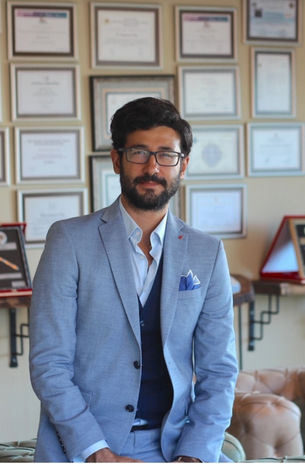
Prof. Dr. Suleyman Tas is a European Board-certified plastic, reconstructive and aesthetic surgeon based in Istanbul with over 20 years of experience, author of Rhinoplasty in Practice (CRC Press) and founder of the Closed Atraumatic Rhinoplasty Course. Read verified patient reviews or book a consultation.
This article is for general information and does not replace an individual medical consultation.


Comments