_edited.png)

Botched Surgery: Meaning, Causes and How It Is Corrected
Updated: 2 days ago
What does "botched surgery" mean?
A botched surgery is an operation whose result is clearly worse than a competent surgeon would have achieved: a visible deformity, asymmetry, functional problem or complication that could have been avoided with correct planning, technique or aftercare. In plastic surgery the term covers poor aesthetic outcomes such as a collapsed or pinched nasal tip, an over-tightened facelift or uneven breasts, as well as medical complications such as infection, skin necrosis or nerve injury. It is not the same as normal swelling, temporary asymmetry or a result you dislike during the first months of healing; those usually settle, while a botched result does not.
Key takeaways
"Botched" means an avoidable poor result, not every complication and not every result a patient is unhappy with.
The most common causes are poor planning, a surgeon operating beyond his or her experience, unrealistic expectations, repeated operations on the same tissue and patients ignoring aftercare instructions.
Botched rhinoplasty is the most frequent example, because the nose has almost no margin for error.
Most botched results can be improved with revision surgery after healing is complete, usually 12 months after the first operation.
The best protection is verification: a board-certified surgeon, a licensed hospital and a face-to-face examination before you commit.
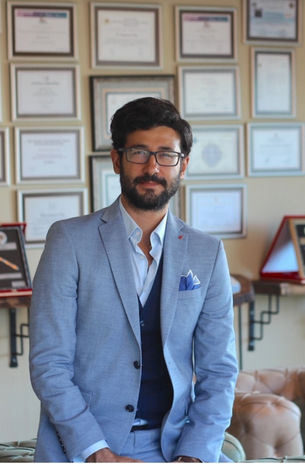
Unsuccessful plastic surgery has become a frequent topic in the news and on social media. These operations, which affect a person's health, appearance and social life, leave patients in a difficult position and often require a second, corrective operation. In this article Prof. Dr. Suleyman Tas explains why botched surgery happens, what it does to patients, how it is corrected and how you can avoid it.
What are the causes of botched surgeries?
There is rarely a single cause. In most cases several of the following factors come together:
Poor planning and a surgeon working beyond his or her experience. Every operation should be planned around the individual patient's anatomy. When a surgeon takes on procedures he or she has not been trained for, or works in a facility that is not equipped for that operation, the risk of an avoidable error rises sharply.
Failure to communicate. After surgery the patient has to manage the recovery correctly and must describe any complaint to the surgeon clearly and early. When problems are hidden or ignored, a small issue can turn into a lasting one.
Repeated operations. Patients who have had several operations on the same area carry scar tissue and a damaged blood supply. Each new operation on that tissue is harder to plan and heals less predictably.
Genetic and individual factors. Skin thickness, healing capacity and the tendency to form thick scars vary between people. Some patients heal faster; others have a higher risk of complications and even permanent scars.
Unrealistic expectations. A patient who expects a result that the anatomy cannot deliver will be disappointed even after a technically good operation. Honest counselling before surgery prevents many "botched" perceptions.
Ignoring warnings and instructions. Smoking, alcohol, sun exposure, sport, wearing glasses on a fresh nose or skipping follow-up visits can all damage the result of an operation that was performed correctly.
Botched rhinoplasty: the most common example
The nose sits in the middle of the face and has almost no margin for error, which is why "botched nose job" is the most searched form of botched plastic surgery. Typical signs are:
A pinched or over-narrowed tip, or a tip that has dropped.
A saddle nose (collapsed bridge) or a polly-beak deformity (a bump above the tip).
An inverted-V deformity or visible irregularities along the bridge.
Nostril asymmetry, a retracted columella or visible scars.
Breathing that is worse than before surgery.
Most of these problems come from removing too much cartilage and bone, from weakening the structures that support the tip, or from healing that was disturbed by infection or smoking. They are corrected with revision rhinoplasty, which often uses cartilage from the septum, ear or rib to rebuild what was lost; see our guide to cartilage grafts in revision rhinoplasty and the revision rhinoplasty before and after results of Prof. Dr. Suleyman Tas. Revision is normally planned at least twelve months after the previous operation, once the swelling has resolved and the scar tissue has softened.
What is the effect of botched plastic surgery on patients?
The consequences are not only aesthetic. They are physical, psychological, financial and social:
Physical problems. Infection, scarring, asymmetry, deformity, pain or breathing difficulty can harm the patient's health and comfort long after the operation.
Emotional and psychological effects. A poor result can seriously damage self-confidence. Patients describe sadness, anxiety and social withdrawal, and some avoid photographs, work or relationships.
Financial loss. Corrective operations are more complex than primary surgery and cost more, often in a different country from the first operation.
Loss of trust. Patients who have been let down once hesitate to seek treatment again, even for problems that are easy to correct.
Social pressure. Comments from family, friends or social media add to the burden and can leave the patient isolated.
How is a failed aesthetic surgery corrected?
The first step is patience: many early irregularities are swelling or immature scar tissue and disappear within months. The second step is a proper assessment by an experienced surgeon, with the previous operation notes and photographs, so that the real problem can be separated from temporary healing. Revision surgery is then planned to restore both shape and function; in the nose this usually means rebuilding support with cartilage grafts, in the face it may mean releasing and re-suspending tissues, and in the breast replacing or repositioning implants.
Psychological support during this process matters as much as the surgery. Patients who have been through a botched operation are often exhausted and anxious, and a realistic plan, clear timelines and honest expectations are part of the treatment.
How to avoid a botched surgery: a checklist
Confirm that the surgeon is board-certified in plastic, reconstructive and aesthetic surgery and specialises in the operation you want. Our guide explains how to verify a plastic surgeon's credentials.
Make sure the operation takes place in a licensed hospital with anaesthesia and intensive-care facilities, not in an office or a hotel.
Insist on a face-to-face or detailed online consultation with the surgeon, not only with an agency.
Look for verifiable evidence of experience: published research, teaching activity, verified patient reviews and consistent before-and-after photographs.
Be honest about your expectations and accept the surgeon's assessment of what is realistic for your anatomy.
Follow the aftercare instructions exactly and attend every follow-up visit.
Why are "botched surgery" searches for Turkey increasing?
Turkey performs a very large number of aesthetic operations for international patients, and the number of searches for "botched surgery Turkey" has grown with it. Three factors explain most of this. First, the sheer volume of patients means that even a small complication rate produces many stories. Second, some agencies and practitioners take on responsibility beyond their experience: a doctor who performed only a few procedures a week before opening a clinic may suddenly be operating on several patients a day. Third, when a well-known person from abroad shares a negative experience with followers, it spreads quickly across countries.
Patients who come to Turkey for plastic surgery do not have this problem as long as they pay attention to the experience of the surgeon, the facilities of the hospital and the techniques used. Prof. Dr. Suleyman Tas, who has performed more than 10,000 operations over 20 years and trains surgeons from around the world, operates only in licensed hospitals in Istanbul and sees every patient personally before and after surgery.
Expert note from the book
In Rhinoplasty in Practice (CRC Press), Prof. Dr. Suleyman Tas devotes a full chapter to revision rhinoplasty and to the deformities that follow over-resection. His approach is preventive: preserve the structure and the blood supply of the nose in the first operation so that a revision is rarely needed. Read more on the Rhinoplasty in Practice book page.
Frequently asked questions
What is the difference between a complication and a botched surgery?
A complication is a known risk that can occur even when everything is done correctly, such as a small bleed or a slow-healing incision. A botched surgery is an avoidable poor result caused by errors in planning, technique or aftercare.
What should I do if I am unhappy with my result?
Speak first to the surgeon who operated and let the healing finish, because many early irregularities settle within months. If a real problem remains, take your operation notes and photographs for a second, board-certified opinion.
How long should I wait before a revision operation?
Usually at least twelve months, so that swelling has resolved and scar tissue has softened. Only functional problems, such as blocked breathing or a wound that will not heal, are treated earlier.
How can I reduce the risk of a poor result?
Check that your surgeon is board-certified for the operation you want, that it takes place in a licensed hospital, and that you have a face-to-face examination and an honest discussion of what is realistic before you commit.
Can every unsuccessful result be corrected?
Most can be improved, but not every result can be returned to its starting point. How much tissue was removed and how the scars healed set the limits of what revision surgery can do.
Related reading
Read the revision rhinoplasty guide, see the female and male revision rhinoplasty pages, learn how to choose the best rhinoplasty surgeon, or contact Prof. Dr. Suleyman Tas Clinic for an assessment of a previous operation.
About the author
Prof. Dr. Suleyman Tas is a European Board-certified plastic, reconstructive and aesthetic surgeon based in Istanbul with over 20 years of experience, author of Rhinoplasty in Practice (CRC Press) and founder of the Closed Atraumatic Rhinoplasty Course. Read verified patient reviews or book a consultation.
This article is for general information and does not replace an individual medical consultation.


Comments