_edited.png)

Swelling and Bruising After Rhinoplasty: Week-by-Week Timeline and How to Reduce It
Key takeaways
Swelling and bruising peak at 48–72 hours after rhinoplasty, then improve quickly.
Bruising usually fades within 7–14 days; with closed, atraumatic techniques it is often minimal.
About 70–80% of swelling is gone by the end of the first month; the tip continues refining for 6–12 months (longer with thick skin).
Head elevation, cold compresses, a low-salt diet, avoiding heat and exertion, and following aftercare instructions make the biggest difference.
Why does the nose swell after surgery?
Swelling (oedema) is the body's natural healing response. During rhinoplasty the skin is lifted from the framework and bones and cartilage are reshaped; fluid accumulates in the tissues while small vessels and lymphatic channels repair. Bruising appears when blood from small vessels spreads under the skin, especially around the eyes after bone work. How much you swell depends on the technique, the extent of surgery, your skin type and how you care for yourself.
Week-by-week timeline
Week 1
Swelling and any bruising peak on days 2–3, around the nose, cheeks and eyes.
The external splint is in place; congestion is expected.
By days 5–7 bruising turns yellow and fades; the splint is removed at about one week. The nose looks swollen and slightly "boxy" at first; this is normal.
Week 2
Most bruising has gone; residual yellowish areas can be covered with make-up.
The upper nose and bridge look more refined each day; the tip remains full and firm.
Most people return to work and social life.
Weeks 3–4
Visible swelling decreases significantly; others see a natural nose.
Morning swelling may be more noticeable and improves during the day.
The tip may still feel stiff or numb.
Months 2–3
The nose looks close to final to others; you will still notice fullness at the tip and supratip area.
Numbness gradually improves.
Months 6–12
The last residual swelling resolves, particularly in the tip, and definition keeps improving.
Thick-skinned noses may continue to refine for up to 18 months.
Read the full rhinoplasty recovery timeline.
How to reduce swelling and bruising
Sleep with the head elevated on two or three pillows for 2–3 weeks.
Cold compresses around the eyes and cheeks (not on the splint) for the first 48–72 hours, as instructed.
Avoid bending, lifting and strenuous activity for 2–3 weeks.
Eat a low-salt diet and drink plenty of water; see what to eat after rhinoplasty.
Avoid heat: hot showers on the face, saunas, hammams and sunbathing for several weeks.
Avoid alcohol and smoking; see smoking and alcohol after rhinoplasty.
Avoid blood thinners (aspirin, some supplements) unless prescribed.
Take prescribed medication and use any recommended anti-swelling measures.
Taping and massage only as instructed by your surgeon; see massage after rhinoplasty.
Protect from sun for three months.
Technique matters
Ultrasonic (piezo) bone work, preservation techniques and the closed, atraumatic approach used by Prof. Dr. Suleyman Tas minimise tissue trauma and often result in little or no bruising. See closed rhinoplasty guide.
When to contact your surgeon
Sudden increase in swelling on one side, severe pain, fever, spreading redness, heavy bleeding or a soft swelling inside the nose after a knock should be reported promptly.
Frequently asked questions
Why is my nose tip still swollen months after surgery?
The tip has the thickest skin and the slowest lymphatic drainage, so it is the last area to settle.
Is swelling worse in the morning?
Yes, fluid gathers overnight while lying down and improves as you move during the day.
Does thick skin swell longer?
Yes. Thick, oily skin can take 12–18 months to show full definition; see rhinoplasty and skin type.
Next step
Contact Prof. Dr. Suleyman Tas Clinic with any questions about your recovery.
About the author
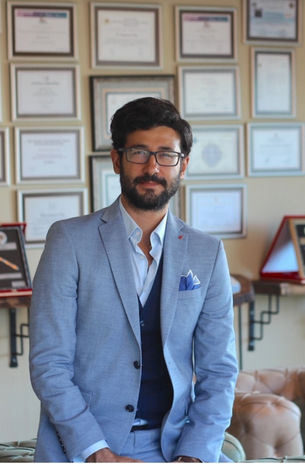
Prof. Dr. Suleyman Tas is a European Board-certified plastic, reconstructive and aesthetic surgeon based in Istanbul with over 20 years of experience, author of Rhinoplasty in Practice (CRC Press) and founder of the Closed Atraumatic Rhinoplasty Course. Read verified patient reviews or book a consultation.
This article is for general information and does not replace an individual medical consultation.


Comments