_edited.png)

Ponytail Lift vs Deep Plane Facelift: Which One Do You Need?
Quick answer. The ponytail lift and the deep plane facelift are not competing versions of the same operation. A ponytail lift is a limited lift of the mid face and brow through incisions hidden in the hairline, designed for younger patients with good skin and mild descent. A deep plane facelift releases the retaining ligaments and repositions the deep layer of the whole face and neck. If you have jowls or a loose neck, only one of these two will work, and it is not the one with the better name.
Key takeaways
Ponytail lift is a marketing name for a limited endoscopic or hairline based mid face and temporal lift.
It suits patients roughly in their thirties and forties with early descent and no jowling.
It does not treat the jawline or the neck.
A deep plane facelift treats the lower face and neck and lasts far longer.
Choosing the smaller operation for a face that needs the larger one is the most common cause of disappointment.
Where the name comes from
The term describes the effect rather than the technique: the lifted, slightly elevated look of a face when the hair is pulled back into a high ponytail. The incisions sit within the temporal and hairline region, so nothing is visible in front of the ear. Surgeons perform versions of this through endoscopic access or through short hairline incisions, and the tissues of the temple and mid face are elevated and fixed higher.
It is a real operation with real indications. The problem is that it is often sold as a substitute for a facelift to people who need a facelift.
What each operation actually treats
Ponytail lift. Tail of the brow, temple, upper cheek and the outer canthal area. Softens the transition between the lower eyelid and the cheek. No effect on jowls, jaw border or neck.
Deep plane facelift. Cheek, nasolabial region, jowls, jaw border and, when combined with a neck lift, the platysma and the cervicomental angle. This is the operation that restores a jawline.
The two are not mutually exclusive. A patient in their fifties may have a deep plane facelift for the lower two thirds and a temporal lift for the brow at the same time.


Who is a good candidate for a ponytail lift?
Broadly, someone in their thirties or early forties, with good skin elasticity, whose complaint is a slightly heavy upper cheek, a flattened outer brow or a tired look around the eyes, and who has no jowling and a clean neck. Scars remain hidden in the hair, which matters to patients who wear their hair up. Recovery is shorter than a full facelift.
It is the wrong operation for someone whose photographs show jowls overhanging the jaw border, vertical bands in the neck, or a blunted angle under the chin. No amount of lifting from the temple reaches the lower face.
Who is a good candidate for a deep plane facelift?
Someone with visible jowling, loss of the jaw border, deepening nasolabial folds and neck laxity, typically from the mid forties onwards but sometimes earlier. The ligaments are released so the tissue is repositioned rather than pulled, and the skin is redraped without tension, which is why a well executed deep plane result does not look operated.
Honest comparison
Scars. Ponytail lift hides everything in the hair. Deep plane incisions run around the ear and into the hairline, and once mature are difficult to see.
Downtime. Ponytail lift is shorter, often around a week to ten days before looking presentable. Deep plane is two to three weeks.
Longevity. Ponytail lift results are more limited and, because the face continues to descend below the treated zone, typically need revisiting sooner. A deep plane facelift lasts in the region of twelve to fifteen years.
What it can fix. This is the real difference, and it is not close. The deep plane operation addresses the areas patients actually complain about after forty five.
The question to ask at your consultation
Ask the surgeon to point at your own photographs and show you exactly which millimetres each option will move. A good surgeon will happily tell you that the smaller operation will not do what you want, even though it is easier to sell. If you are being offered a ponytail lift for a neck complaint, get a second opinion. The article on how to choose a deep plane facelift surgeon sets out the questions worth asking.
Every few years a new name appears for a limited lift. The anatomy does not change. The only question that matters is which layer is being moved, and how far down the face that layer reaches.
Frequently asked questions
Is a ponytail lift better than a deep plane facelift?
Neither is better. They treat different areas. A ponytail lift addresses the temple and mid face in a younger patient, a deep plane facelift addresses the lower face and neck.
Does a ponytail lift help jowls?
No. Jowls sit along the jaw border and are treated by releasing and repositioning the deep layer of the lower face.
How long does a ponytail lift last?
Less than a full facelift, because the untreated lower face continues to age. Many patients go on to need a facelift later.
Are ponytail lift scars really invisible?
They are hidden within the hair, which is the main appeal. Hair density and hairline position affect how well they conceal.
Can you combine the two?
Yes. A temporal or endoscopic lift for the brow and upper face is commonly combined with a deep plane facelift for the lower face.
What if I am in my early forties and unsure?
Have both assessed on your own photographs. There is also an endoscopic facelift guide explaining the scarless approach for younger faces.
Getting an answer for your own anatomy
Prof. Dr. Suleyman Tas is a double board certified plastic, reconstructive and aesthetic surgeon in Istanbul with over 20 years of experience and more than 10,000 operations. He performs both endoscopic upper face lifting and deep plane facelift surgery, and teaches these techniques to surgeons internationally, which means the recommendation is based on your anatomy rather than on which operation the clinic happens to offer.
Continue reading in this facelift series
See Prof. Dr. Suleyman Tas's Viral Before and After Results


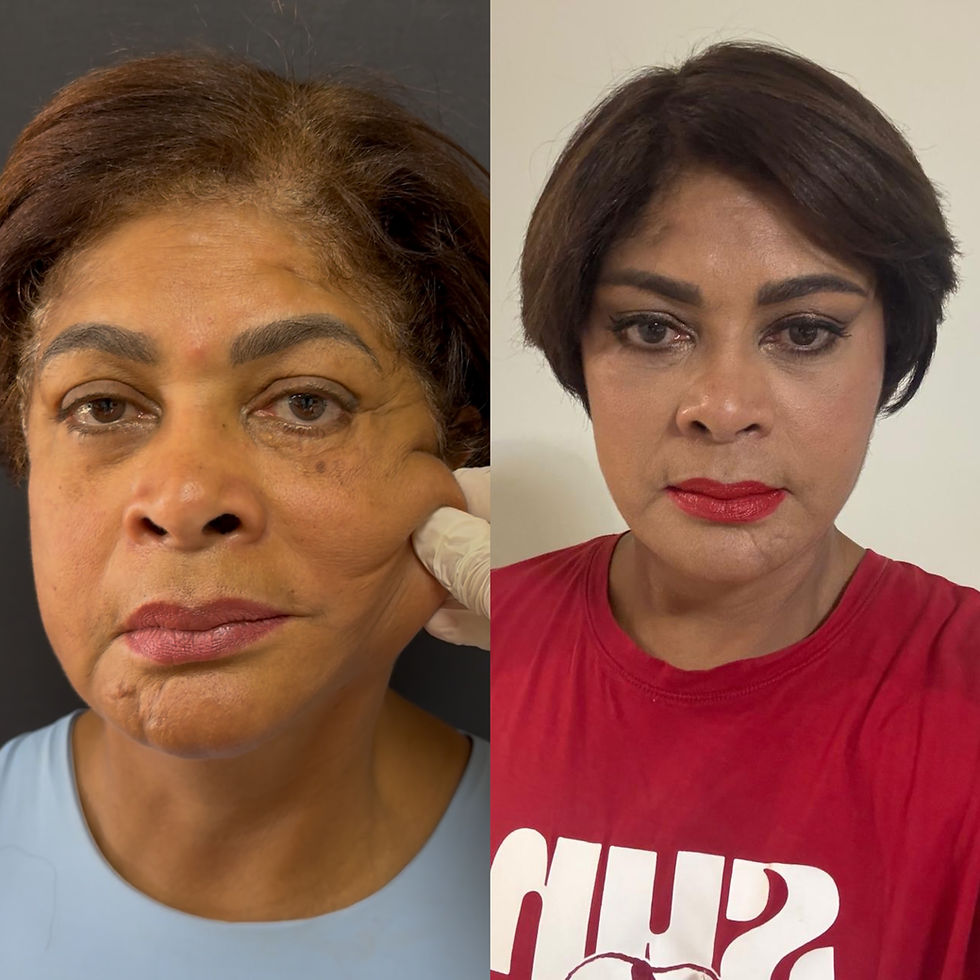
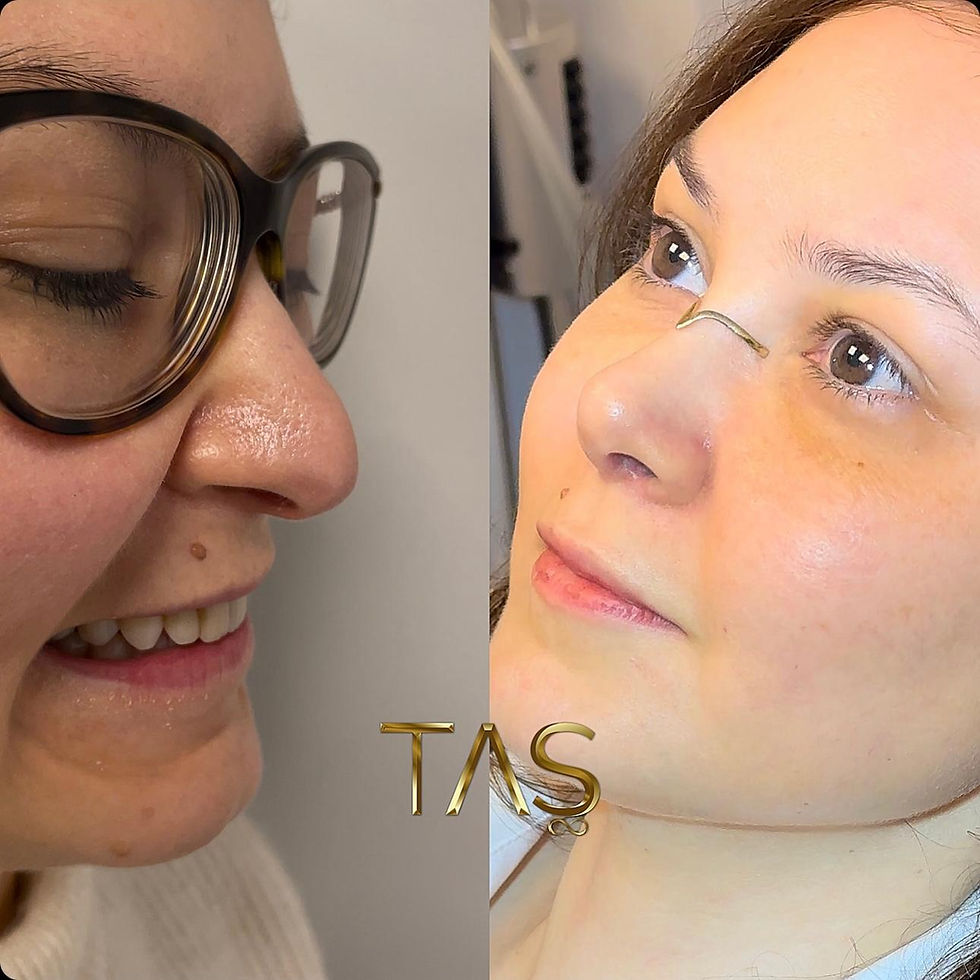
Before you decide anything, spend a few minutes with the real cases and the real voices. Every photograph below belongs to a patient of Prof. Dr. Suleyman Tas, published with consent, and every review is signed by the person who wrote it.
400 verified patient reviews, with photographs and video testimonials — read what patients say in their own words.
Deep plane facelift and neck lift before and after gallery — the face and neck lift results that made the practice known, case by case.
Happy patient, happy doctor — photographs taken with patients on the day they went home.
Would You Like the Same Result?
If you are considering facial surgery yourself, the next step is a personal assessment. Prof. Dr. Suleyman Tas reviews your photographs, explains which technique suits your anatomy, and tells you honestly whether surgery is the right answer for you at this stage.
Create your consultation with Prof. Dr. Suleyman Tas — Prof. Dr. Suleyman Tas Clinic, Terrace Fulya, Sisli, Istanbul.

Comments