

Facelift in Turkey for International Patients: Safety, Trip and Aftercare
Updated: Oct 31
Quick answer. Having a facelift in Turkey is safe when it is organised around a named surgeon in an accredited hospital, with a realistic stay of about eight days and a written plan for follow up once you are home. It becomes risky when it is organised around a package price, when you do not know who will operate until you arrive, and when you fly home before the sutures are out.
Key takeaways
Choose the surgeon first, the country second, and the price last.
Plan eight days in Istanbul for a facelift with Prof. Dr. Suleyman Tas: one day for analysis and tests, the surgery on day two, then six nights at the hotel.
Do not fly within the first week. Most surgeons advise flying after seven to ten days.
Insist on knowing the operating surgeon by name and verifying their credentials yourself.
Agree in writing what happens if you need a revision after you go home.
Why so many patients travel, and where it goes wrong
Turkey performs a very large volume of aesthetic surgery, and Istanbul has hospitals and surgeons operating at an international standard. The concentration of experience is real: a surgeon performing facial surgery weekly for two decades accumulates more cases than most surgeons see in a career.
The problems reported by patients almost never come from the country. They come from the model. Where the first point of contact is an agency rather than a clinic, where the quote arrives before any photographs have been assessed, and where the surgeon is assigned on the day, the patient has bought a package rather than an operation.
How to verify a surgeon from abroad
Get the name. If you cannot obtain the operating surgeon full name in writing before you pay a deposit, stop there.
Check the qualification. Board certification, and where relevant European Board certification, is verifiable. Academic title, published research and teaching activity are also verifiable.
Look for peer recognition. Textbooks, peer reviewed publications, invited lectures and teaching courses for other surgeons are the hardest signals to fake.
Look at unfiltered results. Photographs at consistent angles and lighting, at least six months after surgery, in patients of your age and anatomy.
Read reviews on platforms you do not control. Independent review sites, not only the clinic own website.
There is a full checklist in the article on how to verify plastic surgeon credentials.


What the trip actually looks like
Before you travel. Photographs and medical history are reviewed remotely, a plan and a quote are issued, and blood tests and any cardiac clearance are arranged.
Day of arrival. Face to face consultation, examination, pre operative tests, consent.
Surgery day. Six to eight hours under local anaesthesia, with one patient per day. You walk out the same day and go to your hotel with your private nurse; there is no night in hospital.
Days 1 to 3. Dressing change and daily review, with your private nurse. Swelling peaks at around seventy two hours.
Days 5 to 10. Sutures removed in stages. Most patients feel able to walk around the city by the end of the first week, with a hat and sunglasses.
Day 7. Final check with Prof. Dr. Tas and clearance to fly.
After you get home. Photographic review at one month, three months and six months, with a named contact for questions in between.
Flying after a facelift
Air travel is generally avoided in the first week. Cabin pressure and prolonged sitting increase swelling, and the main reason to stay is that any early complication is far easier to manage where the surgery was performed. Most surgeons clear patients to fly between day seven and day ten for short haul and slightly later for long haul, with compression stockings, hydration and movement during the flight.
Facelift techniques compared: deep plane, SMAS, mini and endoscopic
Most of the confusion international patients bring to a consultation comes from clinic websites that sell a technique name rather than explain what it does. The names describe how deep the surgeon works and how much of the face is treated, and each has a place.
Deep plane facelift
The surgeon releases and repositions the SMAS layer together with the skin as one unit, working beneath the ligaments that tether the mid face and jowl. Because the tension sits in the deep layer rather than the skin, the result looks natural in motion and the skin incision heals under little strain. It suits patients from the mid forties onward with real descent of the cheek, jowl and neck, and it is the technique Prof. Dr. Suleyman Tas uses for most full facelifts. Most patients return to social life in seven to ten days, with swelling that keeps settling for three months. The deep plane facelift is explained in detail here.
SMAS facelift
The SMAS is tightened by folding it (plication) or trimming and suturing it (SMASectomy) without releasing the retaining ligaments. It is quicker, has a slightly shorter recovery and works well when the main problem is the jawline rather than the mid face. It relies more on the lifted layer holding its position over time, so it is usually offered to patients with lighter tissue descent.
Mini facelift
A shorter incision confined to the front of the ear with limited undermining and a SMAS tightening. It addresses early jowling in patients typically in their forties or early fifties and does very little for the neck. The trade-off is scope, not safety: it is a smaller operation with a smaller result. Whether a mini facelift can remove jowls is covered here.
Endoscopic and scarless approaches
Endoscopic lifting uses small incisions hidden in the hairline and a camera to reposition the brow and mid face. In selected patients it can be combined with a limited lower face procedure so that no incision runs in front of the ear. It is the right choice for a specific anatomy, usually younger patients with mid face descent and good skin, and the wrong choice for a heavy neck. The scarless facelift is explained here.
Which one is right for you is decided by examination, not by preference. A patient who asks for a mini facelift but has a full neck will be disappointed by a mini facelift, and a surgeon who offers only one technique will fit every face into it.
Who should delay or avoid a facelift
A facelift is elective surgery, and the safest patients are the ones who were properly screened before they booked a flight. It is sensible to postpone if any of the following apply.
Smoking or nicotine use in the six weeks before and after surgery. Nicotine narrows the small vessels the skin flaps depend on and is the single most important modifiable risk for skin loss and poor scars.
Uncontrolled blood pressure. High pressure in the first days after surgery raises the risk of bleeding under the skin (haematoma), the most common early complication of facelift surgery.
Blood thinners and supplements such as aspirin, ibuprofen, fish oil, vitamin E, ginkgo and high dose garlic, unless your prescribing doctor has agreed a plan to pause them.
Weight that is still changing. If you are mid way through significant weight loss, wait until your weight has been stable for several months; otherwise the lift is done on a face that will keep changing.
Recent fillers or threads in the areas to be lifted. Fillers placed within the last few months can distort the assessment; threads leave scar tracks in the plane the surgeon works in. Tell your surgeon exactly what was done and when.
Poorly controlled diabetes, active skin infection, or a recent illness in the two weeks before surgery.
A trip that cannot include eight days in Istanbul. If the schedule forces a flight home on day four, the plan is wrong, not the surgery.
Before you travel: a pre-surgery checklist
Send clear photographs (front, both profiles, chin down, chin up) and a short medical history for the remote assessment.
Receive a written plan naming the surgeon, the technique, the hospital, the anaesthesia type and the number of nights included.
Have blood tests, an ECG and, if you are over sixty or have a cardiac history, a cardiology clearance done at home or booked for the day after arrival.
Stop nicotine at least six weeks before surgery and confirm it in writing; stop alcohol one week before.
Agree with your own doctor which regular medicines continue and which pause, and bring a printed list.
With Prof. Dr. Tas, six nights at the Vital Fulya hotel, five metres from the clinic, are included for you and one companion.
Arrange a companion for the first three days or confirm the clinic provides nursing support at the hotel.
Obtain medical travel insurance that explicitly covers elective surgery abroad and repatriation.
Anaesthesia, hospital and safety measures
Prof. Dr. Suleyman Tas performs every facelift under local anaesthesia, without general anaesthesia, in the operating theatre of his Ministry of Health–approved clinic in Terrace Fulya, next to Acıbadem Fulya Hospital, a JCI-accredited international hospital. The things worth asking about are specific: who administers the anaesthesia, whether there is an intensive care unit in the same building, how blood pressure is managed in the first twenty four hours, whether calf compression is used during surgery to prevent clots, and who looks after you on the first night. Prof. Dr. Suleyman Tas operates only at his own clinic in Terrace Fulya, Istanbul; patients go to the Vital Fulya hotel, five metres from the clinic, on the same day, with a private nurse at their side.
Antibiotic cover, a light head dressing, are standard; Prof. Dr. Tas uses no drains. You return to your hotel the same day with your private nurse, and the first review is the morning after surgery.
Risks and how they are managed
Every honest discussion of facelift surgery includes the risks. They are uncommon in experienced hands, but they are not zero, and a surgeon who says there are none should be a warning sign.
Haematoma (bleeding under the skin). The most frequent early complication, usually within the first twenty four hours, more common in men and in patients with high blood pressure. It is why blood pressure is controlled so carefully and why your private nurse stays with you on the first night; a significant collection is drained promptly.
Temporary nerve weakness. Small branches of the facial nerve can be bruised, causing a weak smile or brow movement on one side for weeks to months. Permanent injury is rare with careful deep plane technique because the nerve branches are visualised, not worked around blindly.
Numbness of the cheeks and ears. Expected for weeks and often months as the skin nerves regenerate; it fades.
Infection and delayed healing. Uncommon; nicotine and diabetes are the main risk factors.
Visible scars or earlobe distortion. A function of incision placement and tension; how facelift scars are placed and heal is explained here.
Asymmetry or an unnatural, pulled look. Almost always the result of skin-only tension. It is why the technique matters more than the clinic brochure.
The purpose of the eight-day stay is to be where your surgeon is during the window in which these problems, if they happen, declare themselves.
Combining a facelift with other procedures
Most patients who travel for a facelift have the neck treated at the same time, because the jawline and the neck age together and the incision is shared. Upper or lower eyelid surgery, an endoscopic brow lift and fat transfer to the temples, cheeks and lips are the other common additions. Combining procedures adds operating time and a day or two of swelling, but saves a second trip and a second anaesthetic. Which combinations make sense, and when staging is safer, is covered in its own guide.
What a quotation should include
A quotation for surgery abroad should be a document, not a number in a chat message. It should name the surgeon and the hospital, list the technique and every procedure included, state the anaesthesia and the number of hospital nights, and spell out what is not included: the hotel, transfers, medication, compression garments, follow up visits, and the policy on revision. What sets the price of a facelift in Istanbul and how Turkey compares with the UK and the US on cost are covered separately.
Packing list for a surgery trip
Front-buttoning or zip tops for the first two weeks; nothing that pulls over the head.
A wide-brimmed hat and large sunglasses for the walk to follow up appointments.
A soft travel pillow or two firm pillows to sleep with the head elevated.
Your printed medication list, passport copy, insurance documents and the clinic contact numbers.
Comfortable slip-on shoes; bending to tie laces is unpleasant in the first days.
A silk or satin scarf that can cover the neck dressing on the way home.
An unscented moisturiser and a high factor mineral sunscreen for after the sutures are out.
Questions to ask before you book
Who will perform my surgery, and who will be in the operating room?
In which hospital, and is it accredited?
Which technique is planned for my anatomy, and why that one?
What is included if I need a revision, and who pays for the travel?
Who do I contact at two in the morning in week one?
What happens to my follow up once I am home?
Patients ask me which country is safest. The honest answer is that safety is not a country, it is a surgeon, a hospital and a follow up plan. Those three things travel with you or they do not.
Frequently asked questions
Is it safe to have a facelift in Turkey?
It can be, when the surgery is performed by a verifiable, board certified surgeon in an accredited hospital with a proper follow up plan. The model matters more than the country.
How long should I stay in Istanbul after a facelift?
Eight days: Prof. Dr. Tas's programme covers the analysis, the surgery, six nights of observation and the final check, also when eyelid surgery or fat grafting is combined.
When can I fly home after a facelift?
Most surgeons clear patients between day seven and day ten, after the sutures are out and the early risk period has passed.
What if something goes wrong when I am back home?
Agree this in writing before you travel. A good practice provides a named contact, remote review, and a clear policy on revision surgery.
Do I need travel insurance for surgery abroad?
Standard travel insurance usually excludes elective surgery. Specific medical travel cover exists and is worth arranging.
Should I choose the clinic with the lowest price?
Price should be the last criterion, not the first. Understanding what drives the cost is more useful, and the article on facelift cost in Istanbul explains what is included and what is not.
How much does a facelift cost in Turkey?
Prices depend on the technique, what is combined, the hospital and the number of nights included, so a single figure is misleading. Prof. Dr. Suleyman Tas issues a written quotation after reviewing your photographs; what sets the price and what a complete quote must list is explained in the facelift cost in Istanbul guide.
Which technique do most international patients have?
For patients from the mid forties onward with descent of the cheek, jowl and neck, a deep plane facelift combined with a neck lift is the most common plan. Younger patients with early jowling and a good neck may be suitable for a shorter-scar or endoscopic approach. The decision is made at examination, not before.
Can I travel alone for a facelift?
Yes, provided the clinic provides transfers and a named coordinator, and someone checks on you in the hotel in the first three days. Many patients do travel alone; a companion makes the first week more comfortable but is not a medical requirement.
Will language be a problem?
Not at a practice that treats international patients routinely. Consultations, consent and written aftercare instructions are in English, and the coordinator is reachable by message throughout the stay.
Can I have a facelift if I have had fillers or threads?
Usually yes, but the surgeon needs to know exactly what was placed and when. Recent filler can hide the true tissue position, and threads leave tracks in the deep layer that must be dealt with during surgery. Bring your treatment record to the consultation.
What follow up happens after I return home?
Photographs are reviewed remotely at set intervals, typically at one month, three months and one year, and any concern can be raised at any time. If a small revision is ever needed, agree the policy in writing before surgery so there are no surprises.
Planning treatment from abroad
Prof. Dr. Suleyman Tas is a double board certified plastic, reconstructive and aesthetic surgeon in Istanbul with over 20 years of experience and more than 10,000 operations. He is the author of the international textbook Rhinoplasty in Practice, published by CRC Press, and teaches facial surgery to visiting surgeons at his own annual course. International patients are assessed personally, operate with him by name, and are followed after they return home.
Continue reading in this facelift series
See Prof. Dr. Suleyman Tas's Viral Before and After Results

Before you decide anything, spend a few minutes with the real cases and the real voices. Every photograph below belongs to a patient of Prof. Dr. Suleyman Tas, published with consent, and every review is signed by the person who wrote it.
400 verified patient reviews, with photographs and video testimonials — read what patients say in their own words.
Deep plane facelift and neck lift before and after gallery — the face and neck lift results that made the practice known, case by case.
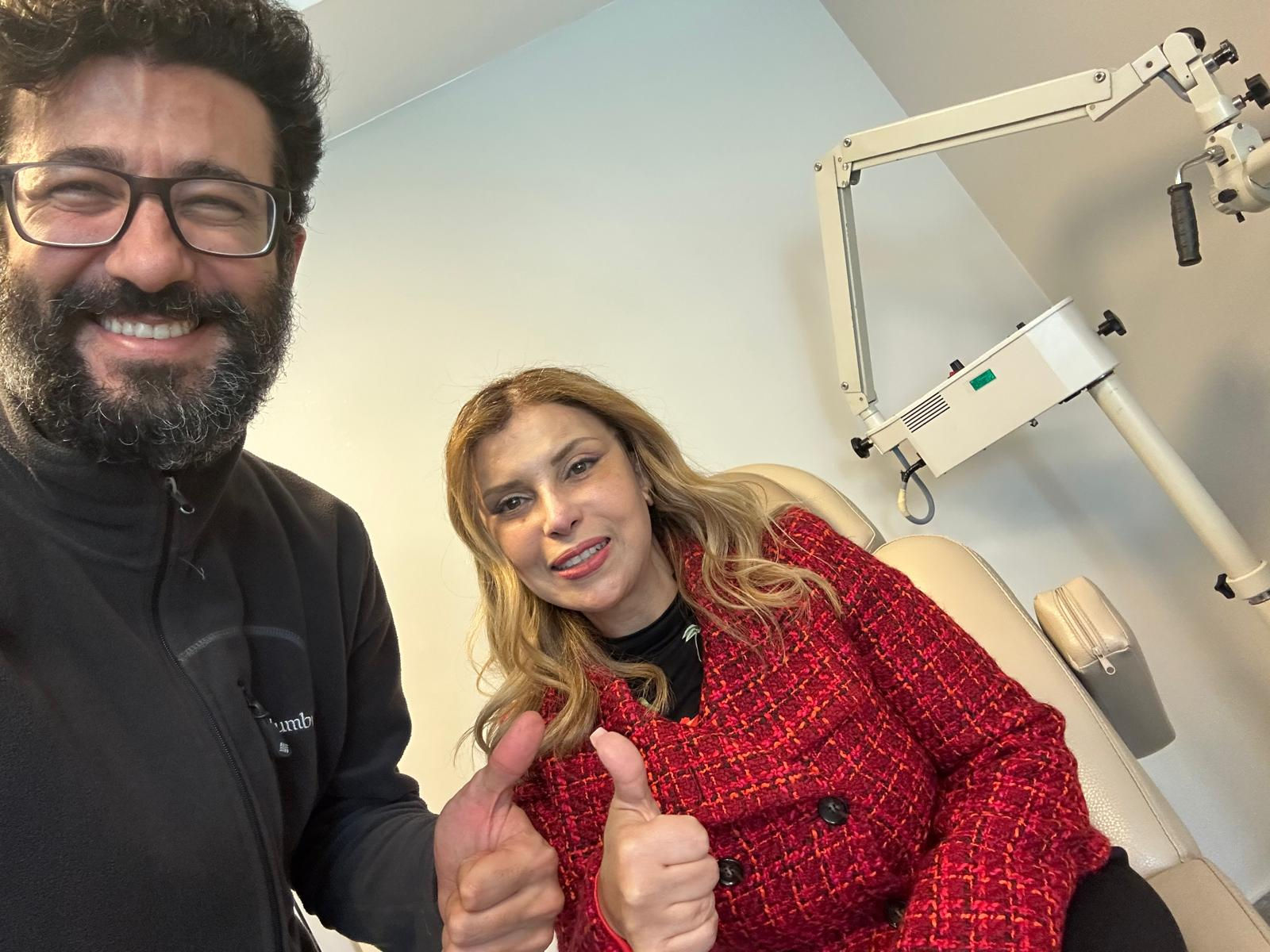
Happy patient, happy doctor — photographs taken with patients on the day they went home.
Would You Like the Same Result?
If you are considering facial surgery yourself, the next step is a personal assessment. Prof. Dr. Suleyman Tas reviews your photographs, explains which technique suits your anatomy, and tells you honestly whether surgery is the right answer for you at this stage.
Create your consultation with Prof. Dr. Suleyman Tas — Prof. Dr. Suleyman Tas Clinic, Terrace Fulya, Sisli, Istanbul.
More facelift guides from Prof. Dr. Suleyman Tas
Core Facelift Guides From Prof. Dr. Suleyman Tas
Deep plane facelift in Istanbul — how the deep plane technique works, who it suits and what recovery looks like.
Endoscopic facelift — the minimally invasive option for the upper and mid face.
How to choose the best facelift surgeon — six checks to make before you book.
Deep plane facelift in Istanbul — the dedicated page: what a deep plane facelift is, candidates, how it is performed, recovery, how long it lasts and what the cost depends on.
Facelift cost in Turkey 2026 — what the cost depends on and a comparison with US and UK prices.


Comments