_edited.png)

Endoscopic Facelift: Technique, Candidates and Recovery
Updated: 9 hours ago
An endoscopic facelift lifts the brow, temple and midface through several small incisions hidden inside the hairline, using a camera to see the dissection plane. There is no incision around the ear, the lift is vertical rather than backwards, and the tissue is fixed at the deeper layer so that the result restores position rather than stretching skin.
The technique, step by step
Through incisions of roughly one to two centimetres in the hair, the surgeon raises the tissue in the correct plane — subperiosteal or sub-SMAS depending on the area — under endoscopic vision. The retaining ligaments that hold the descended tissue down are released, the flap is repositioned vertically, and it is fixed to stable points: bone, deep temporal fascia, or a combination. The brow, the temple, the cheek fat pad and the corner of the eye can be addressed in the same pass.
Who benefits most
Patients whose ageing shows as flattening of the cheek, a heavy or lowered brow, deepening of the tear trough and early jowling, with skin that still retracts. It is also the technique of choice for patients who cannot accept a visible scar in front of the ear, and for male patients whose hairline and beard make preauricular incisions harder to hide.
What it does not do
It does not remove excess skin. When the skin envelope is loose along the jaw and neck, or when the neck has strong vertical bands, the correct operation is a deep plane or extended SMAS lift with a neck lift, and no endoscopic technique substitutes for it. A surgeon should tell you which group you are in at the first examination.
Recovery week by week
The first three days bring the most swelling, controlled by head elevation and cold application. Sutures or fixation devices inside the hair are removed within the first ten days. Most patients return to work at around two weeks, exercise at four to six weeks, and see the final contour between three and six months. Scalp numbness and a tight feeling at the temples are normal and resolve gradually.
Combining procedures
Endoscopic lifting is most often combined with fat grafting, upper blepharoplasty, and — where the profile requires it — rhinoplasty. Combining lengthens the operation, so it is planned around your general health rather than convenience.
Risks worth knowing
Temporary weakness or numbness of the forehead, asymmetry of brow height, hair thinning near an incision, fluid collection and, rarely, injury to the frontal branch of the facial nerve. The nerve risk is why the technique belongs to surgeons who work in this plane regularly.
Frequently asked questions
How is an endoscopic facelift different from a deep plane facelift?
The endoscopic approach lifts the upper and middle face vertically through hairline incisions without removing skin. A deep plane facelift releases the ligaments of the mid and lower face through an incision around the ear and redrapes excess skin. They solve different problems and are sometimes combined.
Is the result permanent?
The repositioning lasts for years, but ageing continues. Most patients treat it as a reset rather than a stop, and maintain it with skin care and non-surgical treatments.
Will I need my hair shaved?
No. The incisions are made within the hair without shaving, and the hair covers them as soon as healing begins.
Is it suitable for men?
Yes, and often particularly so, because there is no incision in front of the ear where a beard line and a receding hairline make scars harder to conceal.
How do I know which technique I need?
By examination: skin quality, the weight of the neck, the position of the hyoid bone, brow height and volume loss decide the answer. If a clinic recommends a technique before examining you, that recommendation is about their preference, not your anatomy.
Related reading
Next step
Contact Prof. Dr. Suleyman Tas Clinic in Istanbul to have your own anatomy assessed and to discuss which approach fits it.
About the author
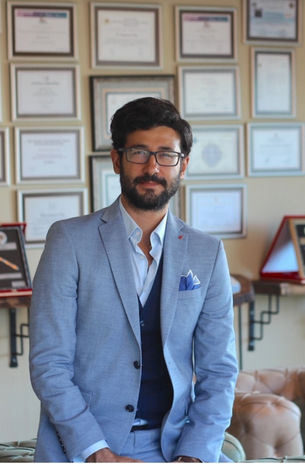
Prof. Dr. Suleyman Tas is a European Board-certified plastic, reconstructive and aesthetic surgeon based in Istanbul with over 20 years of experience, author of Rhinoplasty in Practice (CRC Press) and founder of the Closed Atraumatic Rhinoplasty Course. Read verified patient reviews or book a consultation.
This article is for general information and does not replace an individual medical consultation.


Comments