_edited.png)

Revision Facelift: When a Second Lift Is Needed
Updated: 9 hours ago
A revision facelift is a second operation on a face that has already been lifted. It is harder than a primary lift for three reasons: the natural planes have been scarred, the blood supply of the skin flap is altered, and part of the problem is usually not loose skin but an error of vector, volume or tension that has to be reversed rather than repeated.
Why a first facelift disappoints
Skin-only tightening. When the lift was carried by skin rather than by the deeper layer, the result relaxes within months and the scars widen.
The wrong vector. Pulling backwards instead of vertically produces a swept, wind-blown look and flattens the cheek.
A neglected neck. The face was lifted, the platysma was not corrected, and the complaint remains.
Over-resection or over-tightening. A distorted earlobe, a visible scar in front of the ear, a raised temporal hairline, an unnaturally straight jawline.
Volume loss that was never addressed. A tight but deflated face reads as operated, not as young.
Simple time. A good lift ages from its new starting point; ten to fifteen years later the same patient may reasonably want a second one.
What a revision can correct
Repositioning at the correct plane, releasing scarred ligaments, restoring volume with fat grafting, repairing an earlobe or a widened scar, correcting the hairline, and treating the neck properly if it was missed. What it cannot always do is give back tissue that was removed: skin taken at the first operation, fat excised from the cheek, or a platysma divided too aggressively set the limits.
When to operate
Except for problems that will not improve with time — a distorted earlobe, a wound that is not healing, exposed suture material — revision surgery waits at least twelve months. Scar tissue softens, swelling resolves, and the face that needs planning is the settled one, not the healing one.
What makes the operation technically different
The surgeon works through scar rather than through natural planes, which slows the dissection and demands a deeper release to achieve movement. Blood supply to the skin flap is reduced, so smoking and poorly controlled diabetes matter more than in a primary case. Fixation points may have to be relocated, and grafted fat is placed into tissue that behaves less predictably.
Choosing the surgeon for a second operation
Bring the first operation note if you have it, along with photographs from before the first lift. Ask specifically how many revision lifts the surgeon performs a year, which plane they will use, what they expect to be able to change and what they expect to leave. The nine checks for a deep plane facelift surgeon all apply, with one addition: the surgeon should be willing to tell you which of your complaints will not be fully solved.
Frequently asked questions
How long should I wait before a revision facelift?
At least twelve months in almost all cases, so that swelling has resolved and scar tissue has softened. Earlier surgery is reserved for problems that will not improve on their own.
Is a revision facelift more expensive?
Usually yes. It takes longer, often includes scar revision and fat grafting, and requires more planning, so it is quoted after examination rather than from a price list.
Can a revision fix a pulled or wind-blown look?
Frequently, yes. Correcting the vector and releasing the ligaments allows the tissue to sit vertically, and fat grafting restores the fullness that tension created the illusion of removing.
Is the recovery longer?
The visible recovery is similar — about two to three weeks before most patients are comfortable in public — but swelling in scarred tissue can take longer to resolve, and the final result is judged at twelve months.
What if my first surgery was abroad?
That does not change the plan. Bring whatever documentation exists, and expect a full re-examination; the operative note is helpful but the anatomy in front of the surgeon decides.
Related reading
Next step
Contact Prof. Dr. Suleyman Tas Clinic in Istanbul to have your own anatomy assessed and to discuss which approach fits it.
About the author
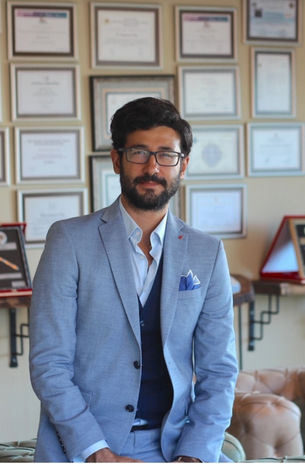
Prof. Dr. Suleyman Tas is a European Board-certified plastic, reconstructive and aesthetic surgeon based in Istanbul with over 20 years of experience, author of Rhinoplasty in Practice (CRC Press) and founder of the Closed Atraumatic Rhinoplasty Course. Read verified patient reviews or book a consultation.
This article is for general information and does not replace an individual medical consultation.


Comments