_edited.png)

Facelift Recovery Timeline: What Happens Day by Day
Quick answer. Most people are socially presentable about two to three weeks after a facelift. Desk work is usually possible in ten to fourteen days, full exercise at four to six weeks, and the face keeps refining long after that: swelling settles over three to six months and the scars continue to fade for up to a year. Recovery is not one event but a sequence, and knowing the sequence is what stops people panicking in week one.
Key takeaways
Days 1 to 2 are about rest, elevation and cold, not appearance.
Bruising peaks around day 3 and fades over two weeks.
Sutures around the ear are usually removed between day 5 and day 10.
Two weeks is the realistic point for returning to work and light social life.
The result you see at three weeks is not the final result. Tissues keep settling for months.
How long is facelift recovery in total?
It depends on what you mean by recovered. Medically, the wounds are healed within two weeks. Socially, most patients feel comfortable being seen without explanation somewhere between the second and third week. Aesthetically, the face is still changing at three months and only truly settled between six and twelve months, when the last of the deep swelling resolves and the scars mature from pink to pale.
That gap between medical healing and aesthetic settling is the single most misunderstood part of facelift recovery. It is also the reason why honest before and after photographs are always taken months apart, not weeks.
Facelift recovery day by day
Day 0: the day of surgery
Surgery is performed under general anaesthesia and usually takes between three and five hours depending on whether a neck lift or eyelid surgery is combined. You wake with a soft dressing around the face and head. Most patients stay one night so that the team can check circulation in the skin, manage pain and make sure you are eating and drinking normally before you go home.
Days 1 to 2: dressings, drains and elevation
The first dressing is changed within twenty four hours and any drains are typically removed at this point. You will be asked to sleep with your head raised on two or three pillows, roughly thirty to forty five degrees, and to keep your head above your heart whenever you are sitting. Cold compresses are used in short intervals, never directly on the skin. Swelling is usually mild at this stage. It gets worse before it gets better, which surprises people.
Day 3: the peak
This is the day patients remember. Swelling and bruising reach their maximum around seventy two hours after surgery. The face can look tight, uneven and unfamiliar, and one side is almost always more swollen than the other. Nothing about this predicts the final result. Asymmetry at day three is normal and resolves on its own.
Days 4 to 7: the turn
From day four the curve starts going the other way. Bruising moves down the neck under gravity and changes colour from purple to yellow. You can usually shower and wash your hair gently from around day three to five, following your surgeon instructions. Most patients stop needing prescription painkillers within the first week. Facelift surgery is more uncomfortable than painful, because the sensory nerves of the cheek are temporarily stunned rather than irritated.
Days 5 to 10: sutures out
Sutures in front of the ear are usually removed around day five to seven, and those behind the ear and in the hairline around day ten, because they are under more tension. Once the sutures are out the skin around the ear looks far more normal and you can begin gentle skin care.
Week 2: back to normal life
By the end of the second week most bruising can be covered with makeup, swelling is visibly down, and patients working at a desk return to work. You will still feel tightness, especially in the neck, and the skin in front of the ears and on the cheeks will feel numb or strange. That numbness is expected. Sensation returns gradually over weeks to a few months.
Weeks 3 to 6: looking like yourself again
The face begins to look like you rather than a swollen version of you. Most people resume light exercise such as walking at around three weeks, and full training, weights and swimming at four to six weeks with the surgeon approval. Scars are still pink and should be protected from sun with a high factor sunscreen and, where advised, silicone gel.
Months 3 to 12: the real result
Between three and six months the deep swelling that nobody can see in the mirror finally resolves and the jawline and neck reach their true definition. Scars continue to soften and pale for up to twelve to eighteen months. This is why serious surgeons never publish a before and after photograph taken at three weeks.


What affects how fast you heal
Smoking. Nicotine constricts the small vessels that feed the skin flap. This is the single biggest avoidable risk factor for delayed healing and skin problems after a facelift, and it is the reason most surgeons ask patients to stop weeks before surgery and stay off it afterwards.
Blood pressure. Uncontrolled hypertension increases the risk of bleeding under the skin in the first hours after surgery.
Technique. A deep plane facelift repositions the deeper layer rather than pulling on the skin, so the skin itself is under less tension. Many patients describe less tightness and a more natural early appearance, although initial swelling can be similar or slightly greater because the dissection is deeper.
Combined procedures. Adding a neck lift, eyelid surgery or fat grafting extends both the operation and the swelling phase.
Sleep position and activity. Bending, lifting and lying flat in the first two weeks all increase swelling.
Age and skin quality. Thin, sun damaged skin bruises more and takes longer to settle than thicker skin.
What patients are usually not told
Two things surprise almost every patient. The first is the emotional dip around day three to five, when swelling peaks and the result is impossible to judge. It is so common that it has a name among surgeons, and it passes. The second is that the ears and cheeks can feel numb, tingly or itchy for months as the small sensory nerves recover. Neither is a complication.
A facelift is not judged in the first month. I tell every patient the same thing: give me six months before you decide what you think of your face, and in the meantime protect your scars from the sun and do not smoke.
Frequently asked questions
How long is facelift recovery before I can go back to work?
Most patients who work at a desk return after ten to fourteen days. Work that involves physical effort, heavy lifting or public facing appearance usually needs three weeks or more.
When does facelift swelling go down?
Swelling peaks at around day three, falls sharply during the second week, and is mostly gone by six weeks. The last twenty percent takes three to six months to disappear.
How long do facelift scars take to fade?
Incisions heal within two weeks, but scar maturation takes twelve to eighteen months. Scars are placed in front of and behind the ear and inside the hairline, so that they are hidden once healed.
When can I exercise after a facelift?
Walking is usually allowed from the first week, light cardio at around three weeks, and full training, weights and swimming at four to six weeks, always with your surgeon approval.
Is a facelift painful?
Most patients describe pressure and tightness rather than sharp pain, and stop prescription painkillers within the first week. The neck is usually the most uncomfortable area.
When will I see the final result of my facelift?
The face looks presentable at two to three weeks, good at three months, and final between six and twelve months.
How recovery is managed at Prof. Dr. Suleyman Tas Clinic
Prof. Dr. Suleyman Tas is a double board certified plastic, reconstructive and aesthetic surgeon in Istanbul with over 20 years of experience and more than 10,000 operations. Patients who travel from abroad are seen daily during the first week, and follow up continues remotely afterwards, with photographs reviewed at one month, three months and six months. If you would like to read more, the full facelift guide explains the techniques themselves, and the article on the deep plane facelift in Istanbul covers how the deeper technique differs.
Continue reading in this facelift series
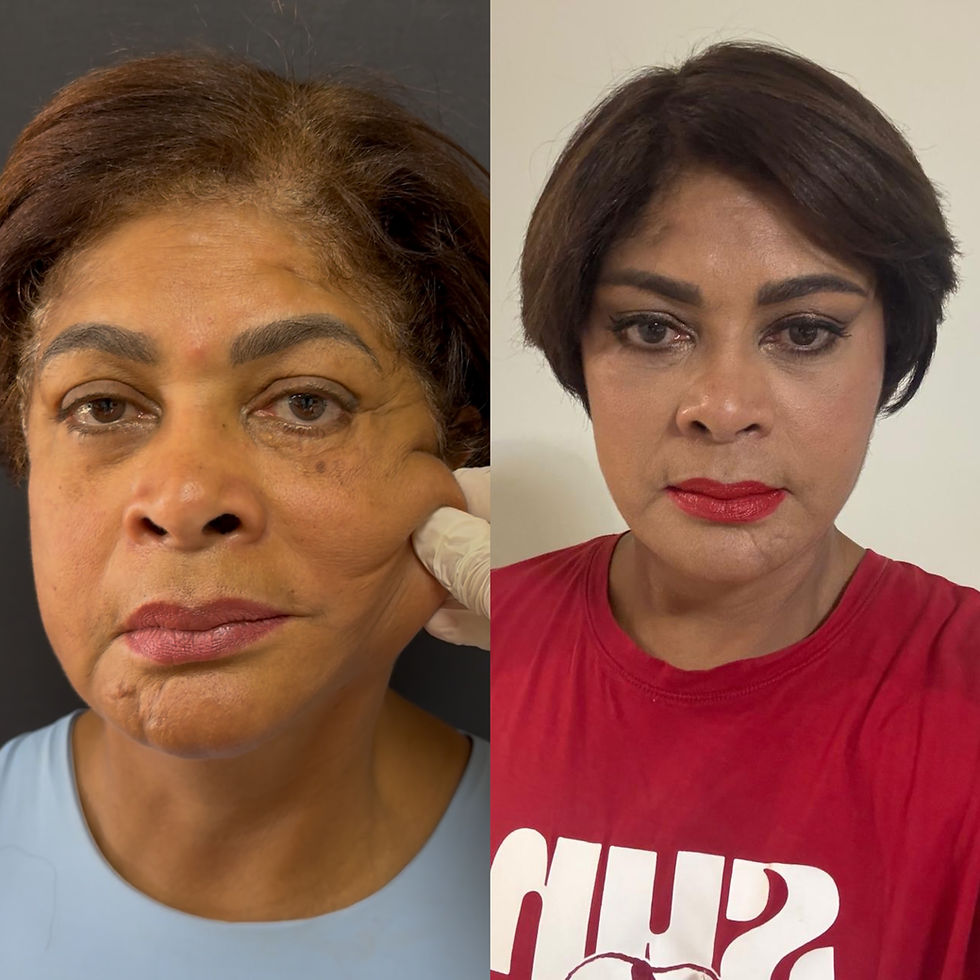
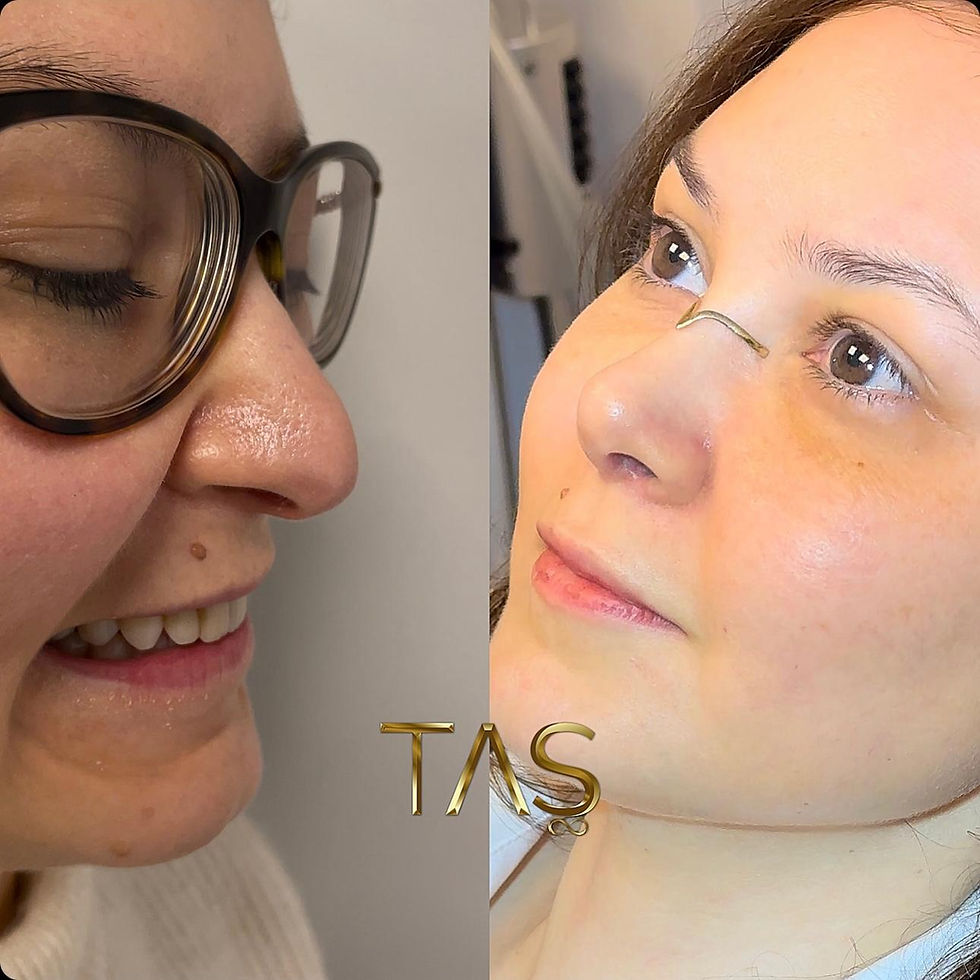
See Prof. Dr. Suleyman Tas's Viral Before and After Results
Before you decide anything, spend a few minutes with the real cases and the real voices. Every photograph below belongs to a patient of Prof. Dr. Suleyman Tas, published with consent, and every review is signed by the person who wrote it.
400 verified patient reviews, with photographs and video testimonials — read what patients say in their own words.
Deep plane facelift and neck lift before and after gallery — the face and neck lift results that made the practice known, case by case.
Happy patient, happy doctor — photographs taken with patients on the day they went home.
Would You Like the Same Result?
If you are considering facial surgery yourself, the next step is a personal assessment. Prof. Dr. Suleyman Tas reviews your photographs, explains which technique suits your anatomy, and tells you honestly whether surgery is the right answer for you at this stage.
Create your consultation with Prof. Dr. Suleyman Tas — Prof. Dr. Suleyman Tas Clinic, Terrace Fulya, Sisli, Istanbul.

Comments