_edited.png)

How Long to Stay in Istanbul After a Facelift Before Flying Home
Quick answer. Plan ten to fourteen days in Istanbul for a facelift, and a few days longer if it is combined with eyelid surgery or fat grafting. Most surgeons clear patients to fly between day seven and day ten for short flights and slightly later for long-haul travel, once the sutures are out, the drains are gone and the early risk period has passed. Flying home before that removes the one thing that makes surgery abroad safe: your surgeon within reach.
Key takeaways
Ten to fourteen days is the usual stay for a facelift; longer if other procedures are combined.
Do not fly during the first week. Cabin pressure and long sitting increase swelling, and early problems are easiest to manage where you were operated.
Sutures are removed in stages, usually between day five and day ten.
Choose a quiet hotel, close to the hospital, with a lift and a bath or shower you can use safely.
Agree in writing how follow-up will work after you fly, before you book the flight.
Why the length of your stay matters
The first ten days after a facelift are the period in which nearly every early complication would appear: a hematoma, a wound healing problem, an infection or a problem with a drain. Each of them is minor if it is seen and treated within hours, and each becomes a much larger problem if it is discovered on a plane or at home in another country. That is the reason for a fixed stay, not a formality and not a way of filling hotel rooms.
The American Society of Plastic Surgeons describes swelling and bruising as peaking around day three and four, sutures being removed anywhere from the end of week one to week three depending on the procedure, and most patients feeling ready for light activity and desk work by the end of the second week. A stay of ten to fourteen days covers the peak and the first suture removal, and puts you on the road to a normal flight home.
A realistic day by day plan for the trip
Before you travel
Photographs and medical history are reviewed remotely, the technique is discussed, blood tests and any cardiac clearance are arranged, and you stop smoking and nicotine products in the period your surgeon requires. Book a flexible return ticket. A fixed return date for day six is one of the most common mistakes.
Day of arrival
Face to face consultation, examination, pre-operative tests and consent. If you have spoken online before, this is the first time the surgeon assesses your skin, ligaments and facial structure in person, and the plan can still change.
Surgery day and the first night
A facelift takes three to five hours depending on what is combined. One night in hospital is standard, with the head raised and a light dressing.
Days 1 to 3
Dressing change, drain removal where drains were used, and a daily review. Swelling peaks at around seventy-two hours and this is usually the day patients feel least like themselves. It passes.
Days 4 to 7
Short walks, rest, sleeping with the head raised, no heavy lifting and no bending forward to pick things up. Sutures start to come out in stages toward the end of this window. A hat, sunglasses and a scarf are useful for the streets of the city.
Days 7 to 10
Most sutures are out. Bruising has started to turn yellow. Many patients feel comfortable having a coffee in a quiet cafe. This is the earliest window in which most surgeons will consider clearing you to fly, if the wounds are healing well and the swelling is under control.
Days 10 to 14
Final check, wound review and clearance for travel. If you have a long-haul flight, or if the operation included eyelids or fat transfer, this is the more common departure window.


When is it safe to fly after a facelift?
Air travel is generally avoided in the first week. Cabin pressure changes and long periods of sitting increase swelling, and the main reason to stay is that any early complication is far easier to manage where the surgery was performed. Most surgeons clear patients to fly between day seven and day ten for short-haul trips and slightly later for long-haul, with compression stockings, hydration and regular movement during the flight. Your surgeon should confirm the date after examining the wounds, not on the day you booked.
Wear loose, front-opening clothing so that nothing is pulled over your head.
Carry your medication, the surgeon's contact details and a discharge summary in your hand luggage.
Ask the airline about assistance at the airport if you expect to feel tired.
Do not lift a cabin bag above shoulder height.
Choosing where to stay
Choose a quiet hotel or apartment close to the hospital, with a lift, a bed with enough pillows or a wedge, and a shower that does not force you to bend forward. A hotel with room service saves you from walking for food in the first days. Avoid renting a place with many stairs or a long walk from the street. Ask your clinic whether a recovery assistant or a nurse visit is available, and how quickly someone can reach you at night.
What to pack
Front-opening tops and a soft scarf or wide-brimmed hat.
Sunglasses with wide arms and a high-factor sun protection for scars once the dressings are off.
Your usual medication with a written list, and the names of any blood thinners you take.
Two or three extra pillows or a wedge, if the hotel cannot provide them.
A phone charger long enough to reach the bed, and a printed copy of your clinic's emergency number.
If you plan to combine a facelift with other procedures
Adding eyelid surgery, a brow lift or fat transfer to the same session lengthens both the operation and the recovery. Plan the longer end of the stay, and allow more days before public events. Our article on combining rhinoplasty and facelift explains how surgeons decide what belongs in one session.
The stay is not part of the price, it is part of the safety. A facelift is a good operation to do abroad only if you are willing to remain within reach of the surgeon until the wounds are healed and the first check-ups are done.
What happens after you fly home
Recovery continues for months after you leave, and the plan for that period should be agreed before you book the flight. That plan includes photographic review at one month, three months and six months, a named contact for questions in between, and a clear policy for what happens if a problem needs an in-person visit. Our article on the facelift recovery timeline describes what to expect week by week once you are home.
Frequently asked questions
How many days should I stay in Istanbul after a facelift?
Ten to fourteen days is the usual advice for a facelift, and a few days longer if it is combined with eyelid surgery, a brow lift or fat grafting.
Can I fly home a week after a facelift?
Some patients can, on a short flight, if the sutures are out and the surgeon has examined the wounds and cleared you. Most surgeons prefer day seven to day ten for short-haul and slightly later for long-haul flights.
Why can I not fly in the first few days after a facelift?
Cabin pressure and prolonged sitting increase swelling, and an early complication such as a hematoma needs treatment within hours, which is far easier where the operation was performed.
When are facelift sutures removed?
Usually in stages between about day five and day ten. The American Society of Plastic Surgeons notes that removal can range from the end of the first week to the third week depending on the procedure.
Can I go sightseeing during the recovery stay?
Short walks are encouraged from the first days. Most patients feel able to walk around the city by the end of the first week with a hat and sunglasses, but heavy activity, long days on foot and direct sun should wait.
What happens if something goes wrong after I fly home?
Agree this in writing before you travel. A good practice provides a named contact, remote photographic review, and a clear policy on when you need to be seen in person and who pays for a revision.
Planning treatment with Prof. Dr. Suleyman Tas
Prof. Dr. Suleyman Tas operates on international patients personally, sees them daily during the first week, and follows them after they return home with photographs reviewed at one month, three months and six months. To plan your own trip, send your photographs and questions through the online consultation form, or read about facelift and face aesthetics in Istanbul.
Continue reading in this facelift series
See Prof. Dr. Suleyman Tas's Viral Before and After Results
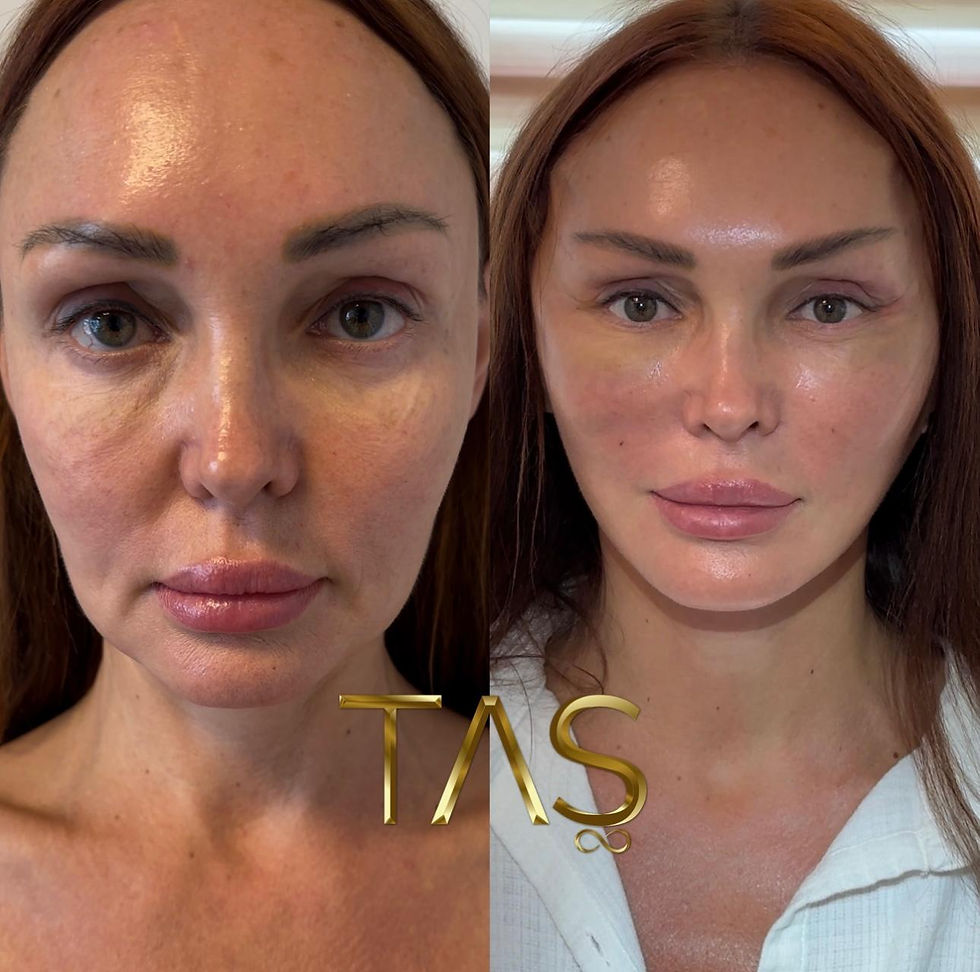
Before you decide anything, spend a few minutes with the real cases and the real voices. Every photograph above belongs to a patient of Prof. Dr. Suleyman Tas, published with consent, and every review is signed by the person who wrote it.
400 verified patient reviews, with photographs and video testimonials — read what patients say in their own words.
Deep plane facelift and neck lift before and after gallery — the face and neck lift results that made the practice known, case by case.
Happy patient, happy doctor — photographs taken with patients on the day they went home.
Would You Like the Same Result?
If you are considering facial surgery yourself, the next step is a personal assessment. Prof. Dr. Suleyman Tas reviews your photographs, explains which technique suits your anatomy, and tells you honestly whether surgery is the right answer for you at this stage.
Create your consultation with Prof. Dr. Suleyman Tas — Prof. Dr. Suleyman Tas Clinic, Terrace Fulya, Sisli, Istanbul.


Comments